

You've probably heard the pitch before. Reconditioned power tools cost less, perform the same, and come with a warranty. Sounds good until you're three months in and wondering if you should've just bought new.
The truth is somewhere in the middle. Factory reconditioned tools can be a legitimately smart buy for contractors managing budgets and DIYers who know what they're doing. They can also be a headache if you don't know what you're buying or who reconditioned it. The difference comes down to understanding what "reconditioned" means, which tools are worth buying used, and when paying full price makes more sense.
What Are Reconditioned Power Tools?
Not all refurbished tools are created equal. Factory-reconditioned tools are units that were returned to the manufacturer, usually due to cosmetic damage, buyer's remorse, or a minor defect, and then put through a full inspection, repair, and testing process before being resold. They go through the same quality checks as brand-new tools coming off the line.
That's a far cry from some random used power tool sold on Craigslist with no inspectionor warranty.
A legitimate reconditioned tool from the manufacturer typically includes inspection and repair by trained techs, replacement of any worn or broken parts, full performance testing under load, certification for resale, and some form of limited warranty. The keyword here is manufacturer. When the brand puts its name on it, the risk drops considerably.
When Reconditioned Tools Are Worth It
There are scenarios where buying reconditioned isn't settling; it's strategic.
The Savings Are Actually Significant
If you're saving 15% to 40% off retail, that's real money. For contractors buying multiple tools or outfitting a crew, those discounts add up fast. The math is simple. If the tool performs like new and the warranty holds up, the savings go straight to your bottom line. That's ROI you can measure.
The Brand Is Built To Last
Premium brands engineer their tools to take a beating for years. Factory-reconditioned tools from companies like Milwaukee Tool, Makita, DEWALT, and Bosch often perform exactly like new because their underlying quality is high to begin with. When the foundation is solid, reconditioning doesn't compromise capability.
It's A Backup Or Secondary Tool
Need a second impact driver in the truck? A spare circular saw for the apprentice? A tool that's only going to run one specific task? Reconditioned tools make perfect sense for backup units, loaner tools, shop-only equipment, and occasional-use specialty gear. You get the performance without paying full retail for something that won't be subjected to daily abuse.
Cosmetic Damage Doesn't Matter
Some reconditioned power tools have scratches, scuffs, or minor cosmetic blemishes. That doesn't affect how they cut, drill, or drive. If the jobsite is going to beat it up anyway, a few existing marks are irrelevant. Function overrules every time.
When You Should Buy New Instead
Reconditioned tools aren't always the right call. Here's when it makes more sense to pay full price.
Warranty Coverage Matters Most
New tools come with the longest manufacturer warranties. Reconditioned tool warranty periods are often shorter, sometimes half the coverage. If the tool will see heavy daily use and downtime costs you money, maximum warranty protection can justify the premium.
The Price Gap Is Small
If the difference between new and reconditioned is only 5% or 10%, the value of a full warranty and untouched components usually outweighs the modest savings. A 30% discount is compelling. A 5% discount isn't.
You Need The Latest Technology
Reconditioned inventory comes from returned stock, which means you're not always getting the newest models. That can mean missing out on the latest battery platform, updated brushless motor technology, improved safety features, or just-released product lines. If cutting-edge performance matters for your work, the new option is the better choice.
Tool Downtime Is Expensive
For tools that drive daily revenue, your primary framing nailer, miter saw, or core drill on commercial jobs, downtime costs more than the purchase price. When a tool is mission-critical, reducing risk by buying new can be worth every dollar.
Reconditioned vs Refurbished vs Used: What's The Difference?
The terminology can get confusing, and it matters. Reconditioned tools are typically restored and certified by the manufacturer. A third party might have fixed up refurbished tools with varying standards. Used tools are sold as-is, often with no inspection or warranty.
The safest bet is always certified reconditioned tools sold through authorized retailers. That's where the inspection standards are highest, and the warranty protections are real.
What To Look For Before Buying
Before you buy any reconditioned tool, check a few key things. First, confirm the warranty coverage. Even a limited warranty adds protection and peace of mind. Next, verify the inspection process. Was the tool tested under load? Were internal components replaced if necessary? If you're buying cordless tools, check battery health. Batteries are often the most expensive part, so make sure they're included and covered. Finally, buy from a reputable source. Authorized retailers reduce risk and stand behind what they sell.
The Real Question: What's The ROI?
Every tool purchase should come down to return on investment. If a reconditioned cordless drill saves you 30% and performs at full capacity, the ROI is strong. If the savings are minimal and the warranty is weak, buying new might be smarter. Contractors who treat tools as assets rather than expenses make better long-term decisions. The goal isn't just to spend less. It's to spend wisely.
Best Tools To Buy Reconditioned
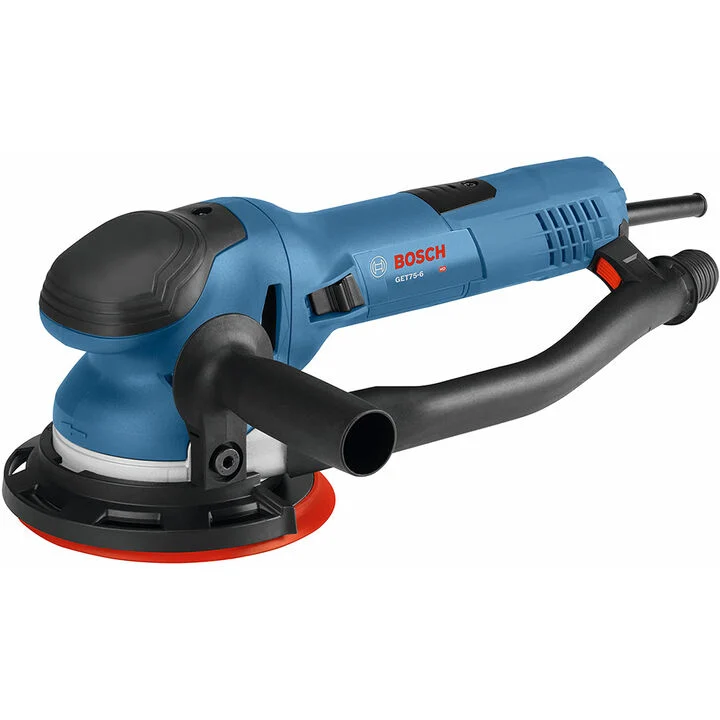
Some tool categories consistently offer strong value in reconditioned form. Cordless drills and impact drivers, circular saws, sanders, reciprocating saws, and nailers are durable, commonly returned, and frequently reconditioned to high standards. You'll find solid deals here.
On the flip side, you might want to buy new for high-cycle framing nailers, specialty diagnostic equipment, heavy production saws, and core revenue-generating tools. Match the purchase decision to the workload and the risk tolerance.
Final Verdict: Are Reconditioned Tools Worth It?
Reconditioned power tools aren't a gamble when you buy them right. They're a strategy. When the savings are real, the warranty is clear, and the tool fits the job, reconditioned tools deliver serious value. But when reliability, the latest technology, or long-term warranty coverage matter most, buying new supports productivity and reduces risk.
Smart buyers know when to use both approaches.
Upgrade Smart With Acme Tools
Whether you're investing in factory-reconditioned tools or adding brand-new gear to the lineup, ACME Tools offers a wide selection of trusted brands, transparent warranties, and contractor-grade performance. Explore reconditioned deals, compare new vs reconditioned options side by side, and build a tool lineup that works as hard as you do.
Shop smarter. Save strategically. Power every job with confidence.



About The Acme Tools Brand
Acme Tools isn’t just some generic storefront trying to push cheap plastic; we are the undisputed destination for the American worker. Since 1948, we have been outfitting serious contractors, tradesmen, and dedicated DIYers with professional-grade gear that stands up to real jobsites. We don't mess around with subpar equipment because we know you don't have time for tools that quit before the whistle blows. When you are ready to stop wasting time at big-box retailers that don't know a hammer drill from a hole saw, head over to AcmeTools.com. We have a massive inventory, heavy-duty brands, and hands-on expertise to get you exactly what you need to dominate the next project.


0 Comments