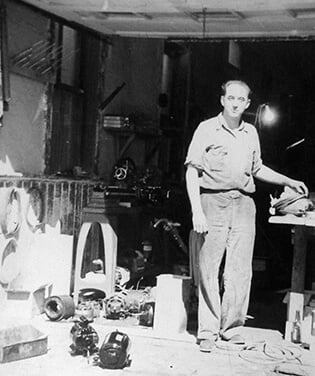
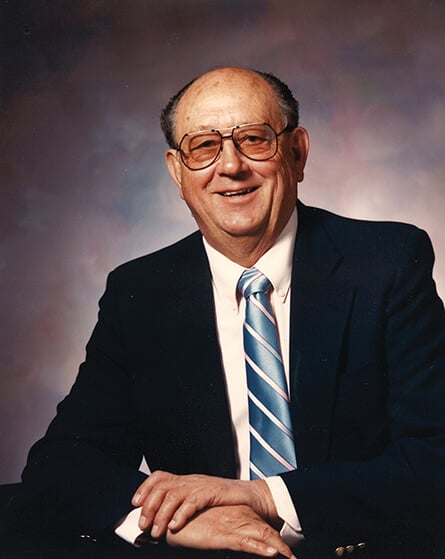
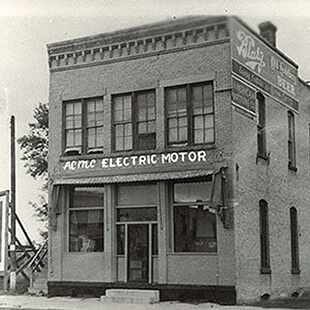
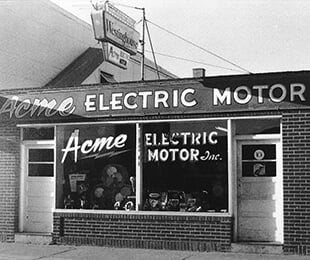
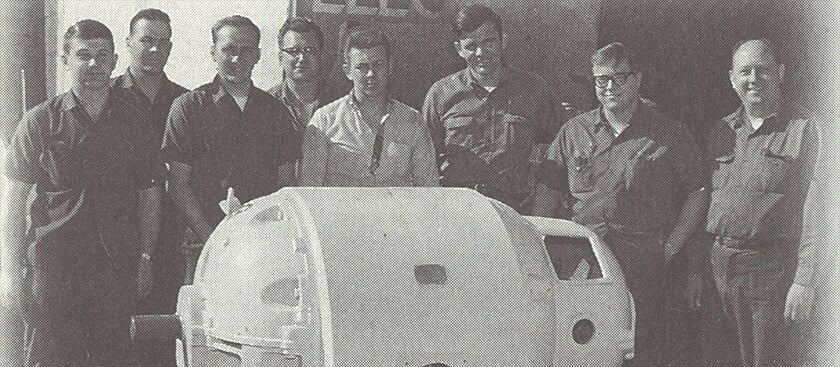
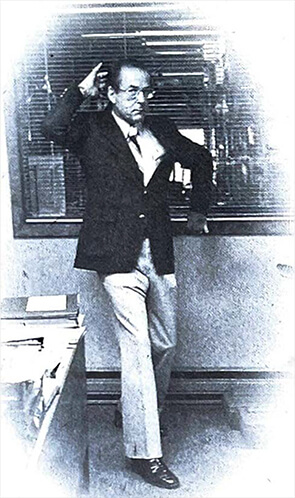
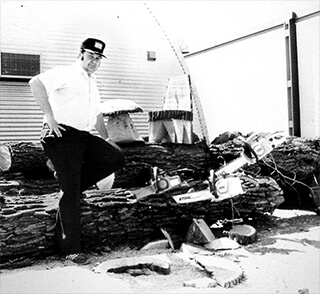
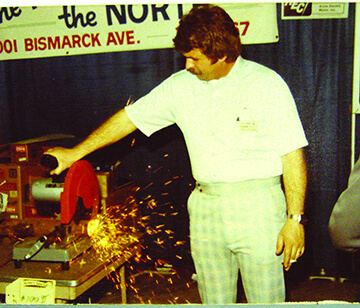
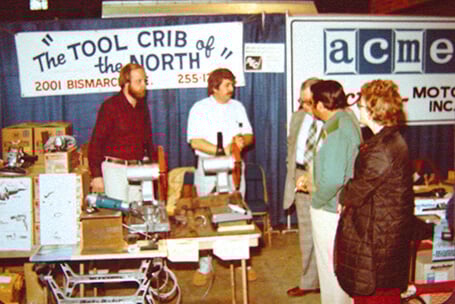
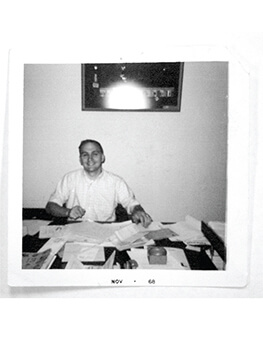
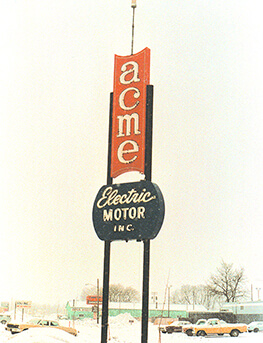
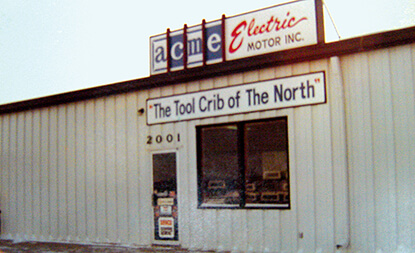
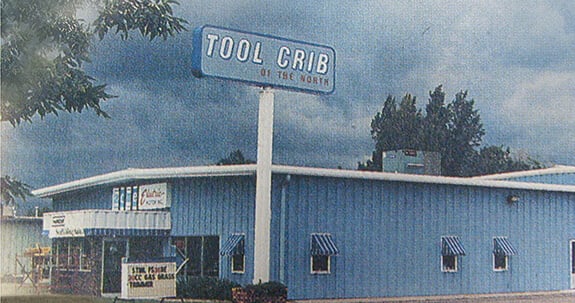
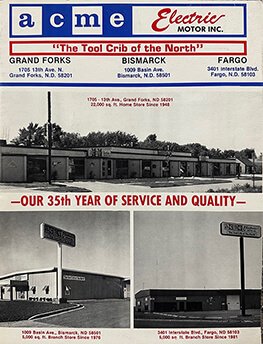
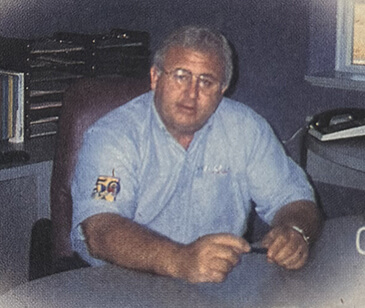
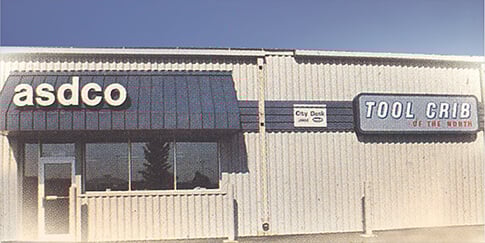
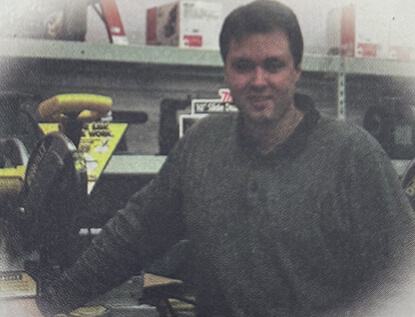
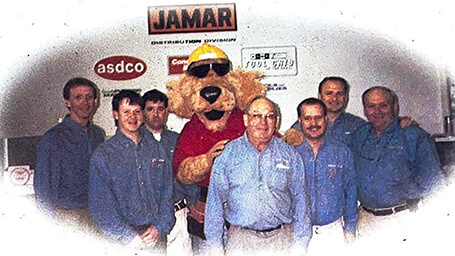
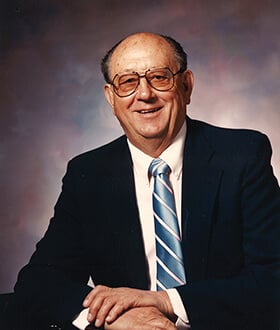
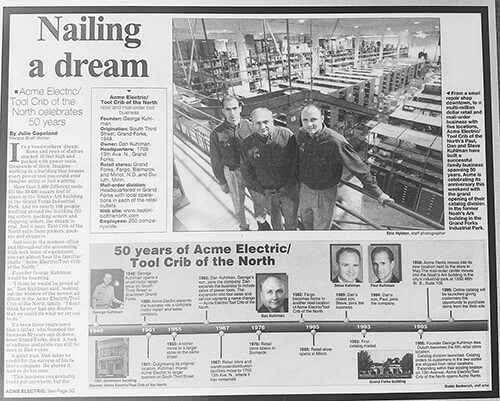
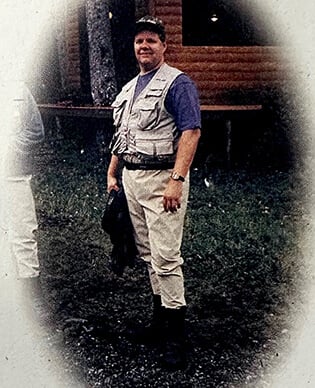
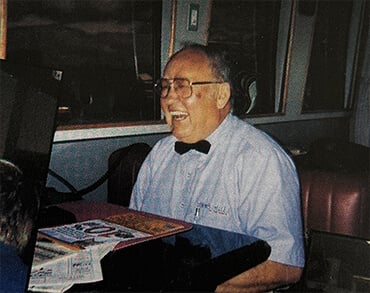
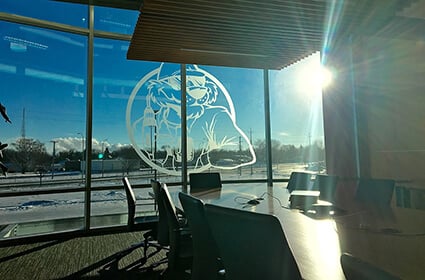
Founder George Kuhlman would have been proud to see the growth and innovation. His son Dan Kuhlman reflected, "I think he would be proud of us." As Dan gazed out the window, he thought about the 50-year legacy that his father built from humble beginnings in downtown Grand Forks. "It's been three years since he passed, and I still feel a mix of sadness and pride," Dan said.
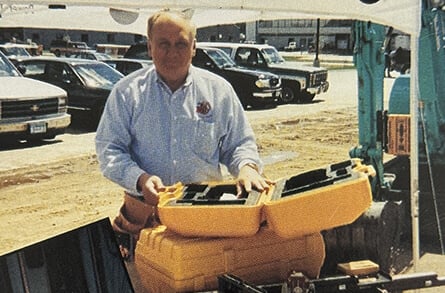
A quiet man, Dan never sought credit for the success of his father's company. Instead, he shared the credit with his team and his sons. "This business, you probably could put anywhere, but the people's work ethic is something you can’t beat," said Steve Kuhlman, who was serving as Vice President of the Catalog Division and Marketing at the time. His appreciation for the employee's work ethic and dedication was evident in every corner of the operation.
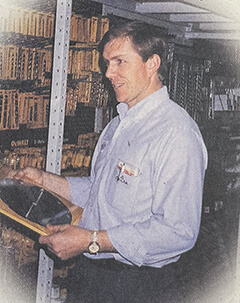
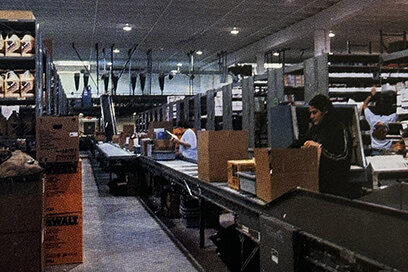
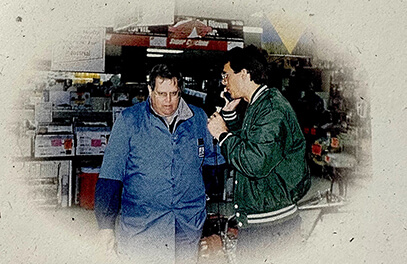
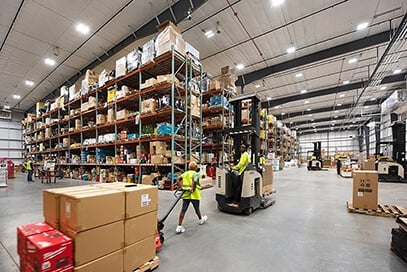
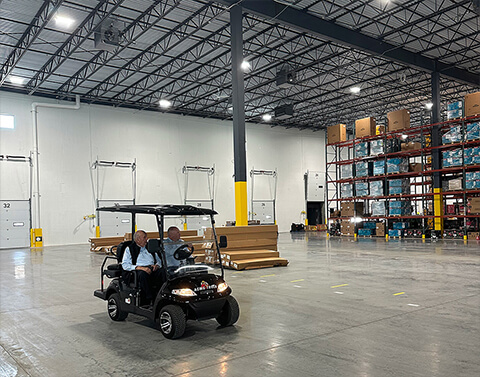
In the warehouse, Steve approached Dick Anderson and asked how things were going. "It's going," Dick replied. Steve chatted with Cathy Sachetti on the packing line, asking if she’d found any packing mistakes today. "Oh, yeah," Cathy laughed. On the shipping line, Steve inquired with project manager Alan Reyelts about a massive storage container suspended from the ceiling. "How much does this hold?" Steve asked. "One and a half semis," Alan answered, pointing to the container filled with packing peanuts.
The efficiency and pride in the employees’ work reflected the Kuhlman family’s values: a commitment to quality, service, and hard work.
Impressive Growth
"I think it was what Steve said," Dan said of how his business had posted growth of 25 percent annually for the last five years. "It was the work ethic. He (George) gave it to me, and I passed it along to my sons." The credit, Dan said, went to his employees, his customers, and his vendors. "I was not one to take credit," Dan said. "I thought the credit went to the people." After 36 years in business, Dan Kuhlman loved going to work in the morning and had no plans to retire. "Work was fun. Work was a hobby," he said.
Answering the call
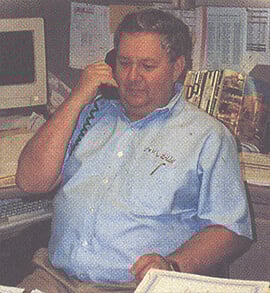
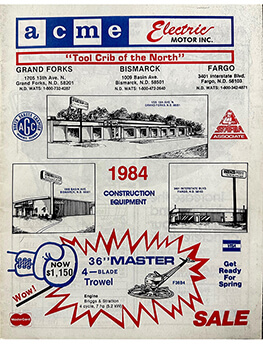
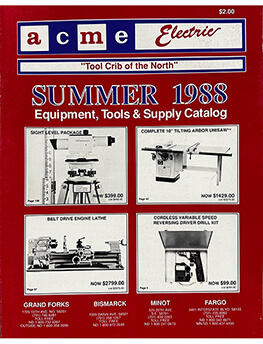
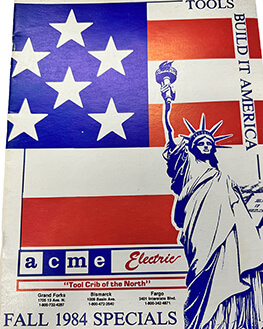
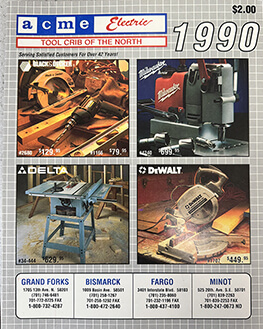
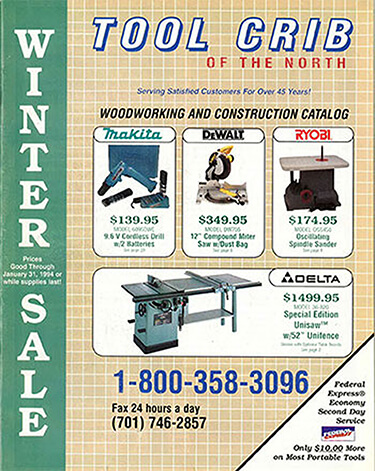
With more than 6 million catalogs hitting mailboxes each year, customer service representatives had their hands full. In the office, friendly voices answered 2,000 calls daily.
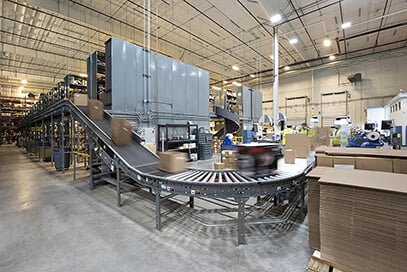
Operating on a networked computer system, orders were put into the computer and printed in the warehouse with a bar code and the list of items ordered. Color-coded dots were placed on the orders so the pickers in each zone knew by color whether they needed to put an item into the box. With over 3,200 bulk pallet positions and 360 small bins, workers made the work look easy thanks to automation.
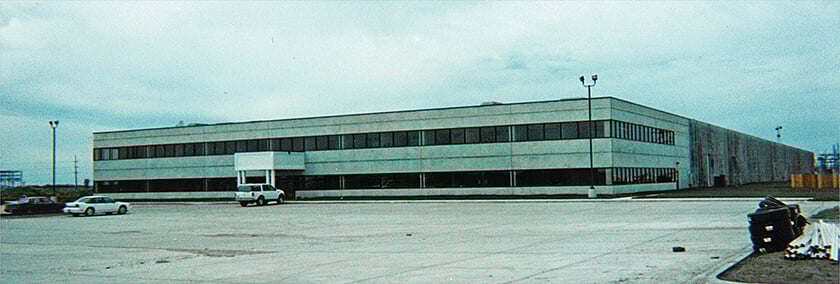
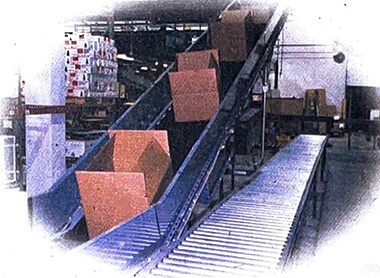
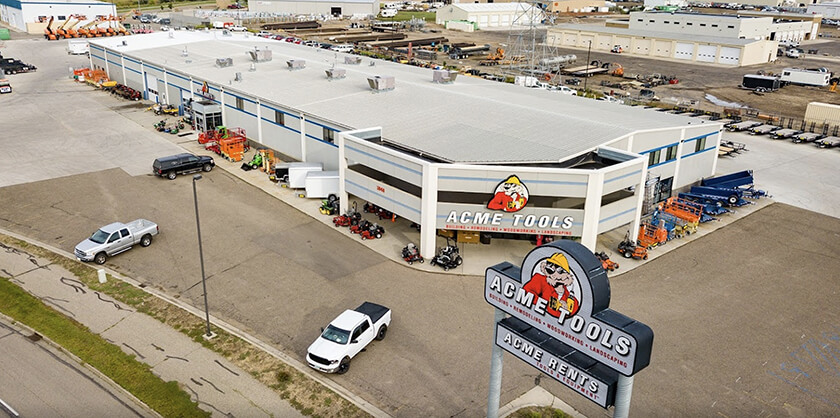
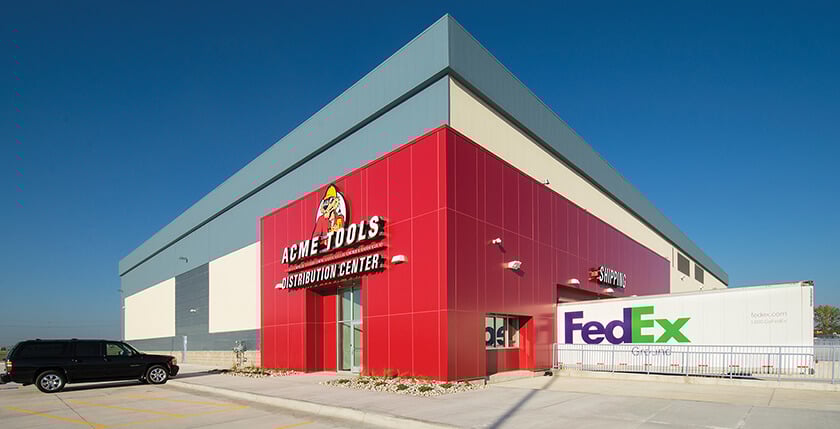
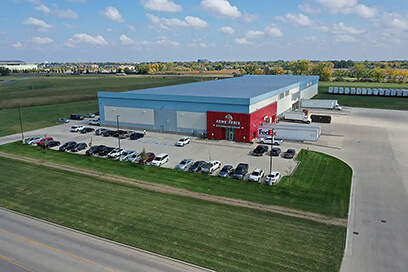
In the company’s previous location, workers had to memorize the location of tools. The streamlined operation consisted of labeling, organization, and 1,400 linear feet of conveyor systems that carried the items from storage to packing, checking, and on to the invoice station. Conveyors then traveled to the second level, where packing peanuts were added, a machine taped the boxes shut, and a bar code told the computer the address where the order would be shipped. Then, it went back down the conveyor to the freight drop-offs and into one of several trucks provided by United Parcel Service, Federal Express, Roadway Packaging Service, or the U.S. Postal Service. More than three trucks were filled and sent off every day.
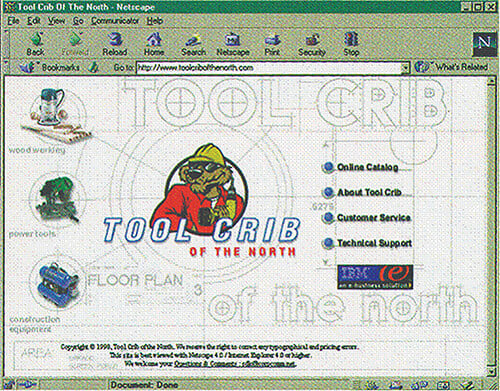
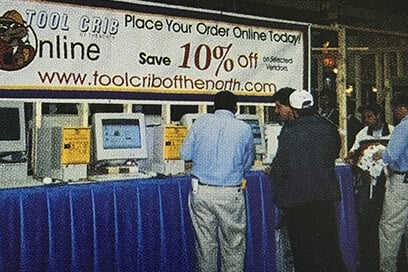
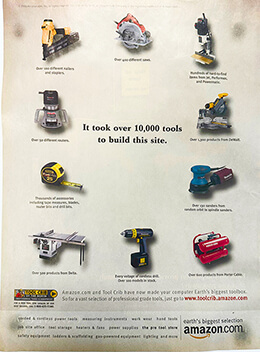
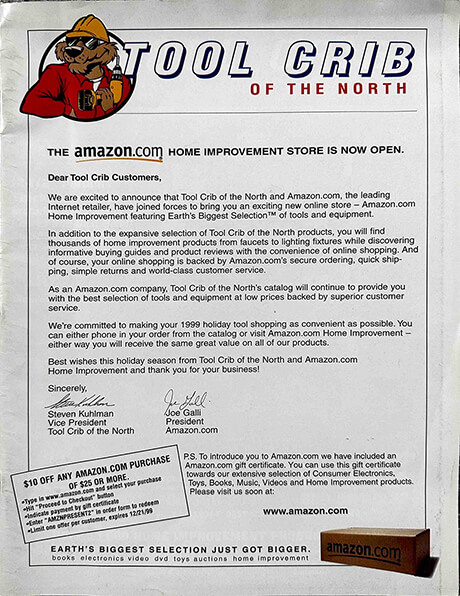
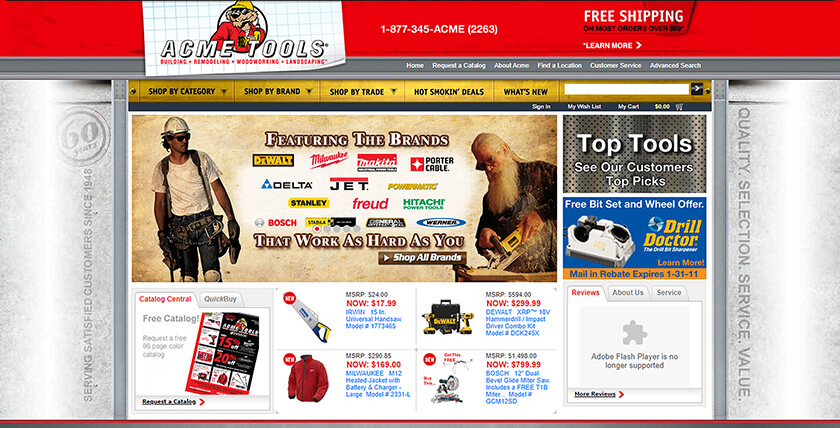
The Kuhlman family wasn't done yet; they had just been in the new packing and shipping system for one month. They were likely to expand the warehouse space in the fall. By January, they planned to have all 2,400 items online at their website, ToolCriboftheNorth.com.
Hiring More Employees
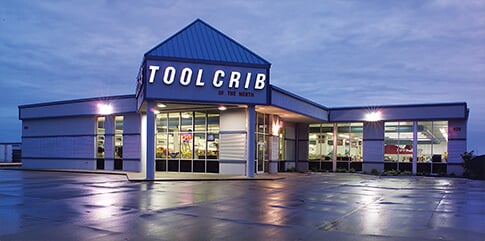
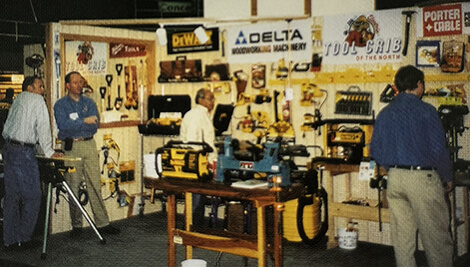
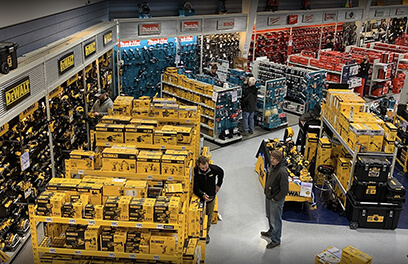
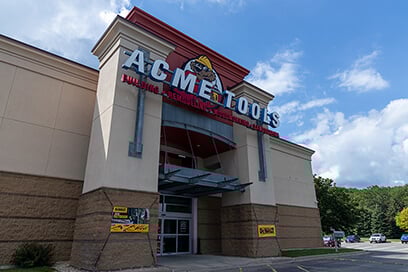
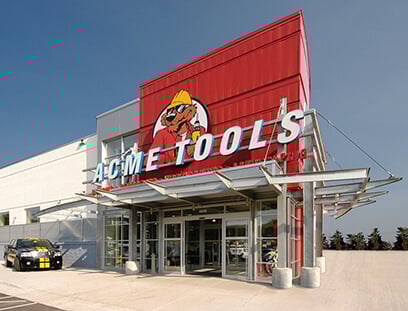
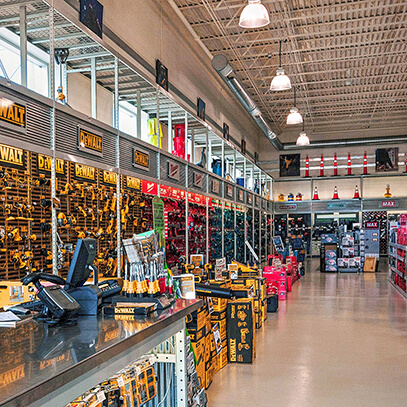
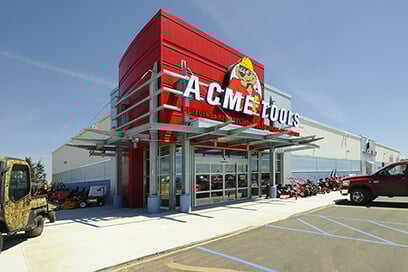
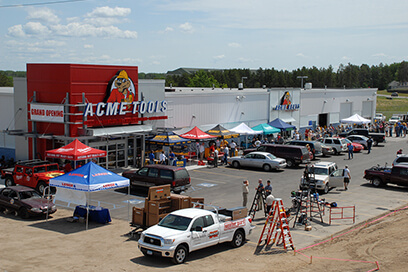
With 275 employees in the company's five retail stores in Fargo, Bismarck, Minot, Duluth, Grand Forks, and the catalog division, Tool Crib of the North planned to hire even more. Offering an ambitious benefits package, a retirement plan, and competitive wages, the company hoped to attract good workers from a community with an unemployment rate of less than 2 percent.
Knowing the workforce was slim, the Kuhlman family started to recruit Grand Forks and North Dakota natives back home. The key to Kuhlman's business success appeared simple. Dan said, "Focus on what we know how to do and pay attention to the customer." Their plan was much the same. "It's doing what we were doing then," Steve said, "and making it better."