

Woodworking. What is it? It’s more than just making birdhouses in the garage. As we shift into October, learn about our next Trade of the Month.
Woodworking combines creativity, technical skill and a lot of patience. It’s taking raw lumber and turning it into something useful, dependable and sometimes beautiful. That could be a custom cabinet, a dining-room table, detailed trim or the staircase everyone notices when they enter a home.
For October’s Trade of the Month, Acme Tools is recognizing the woodworkers who measure twice, cut once and still occasionally wonder where that eighth of an inch disappeared.
More Than Cutting Boards
Professional woodworking requires much more than running lumber through a saw. Woodworkers need to understand different materials, joinery methods, finishes and how wood may move as moisture and temperature conditions change.
Depending on the shop and specialty, woodworkers may handle:
- Cabinet and furniture construction
- Custom shelving and built-ins
- Doors, trim and molding
- Finish carpentry and installation
- Lumber milling and preparation
- Furniture repair and restoration
- Staircases, railings and architectural details
- Sanding, staining, painting and finishing
Some woodworkers spend their days in a production shop. Others work inside finished homes where one misplaced cut can damage more than the board. The location may change, but accuracy always matters.
Essential Tools for Woodworkers
Two woodworking shops never look the same. A cabinetmaker, furniture builder, finish carpenter and weekend DIYer will all prioritize different equipment.
Still, most woodworking setups are built around a few essential tool categories.
Measuring and Layout Tools
A successful project begins before the first cut is made.
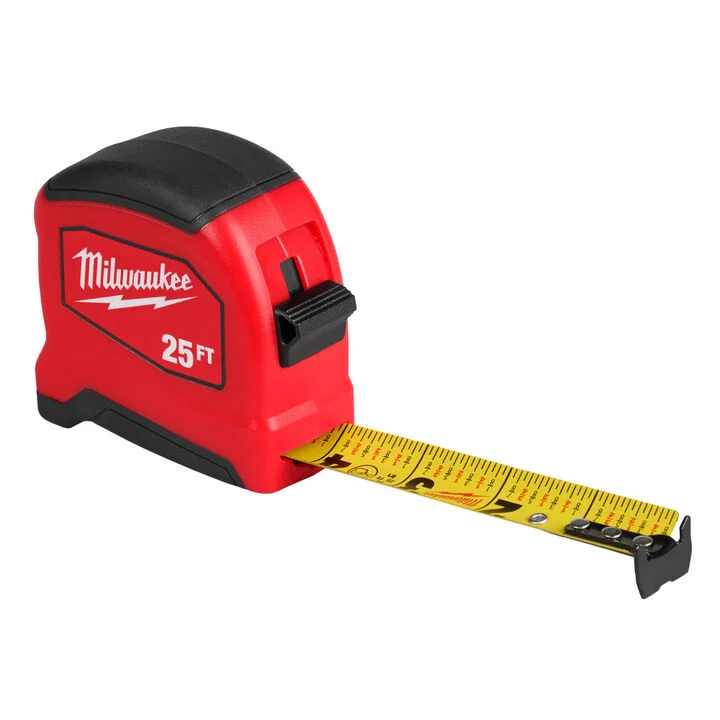
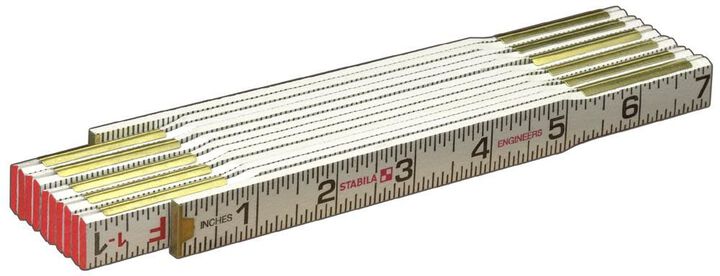
- Tape measures, squares, levels, rulers and marking tools help woodworkers lay out cuts and assembly points accurately.
- Straightedges and marking guides make it easier to create repeatable lines across larger workpieces.
- Measuring tools should be easy to read and dependable. Being slightly wrong once can make every step that follows slightly worse.
Accurate layout may not be the most exciting part of the project, but neither is discovering that two cabinet doors are different sizes.


Hand Tools
Power tools are great for heavy work, but traditional hand tools are still a must.
- Chisels help clean joints, remove small amounts of material and handle detailed fitting.
- Hand planes can flatten surfaces, adjust edges and fine-tune parts that are almost, but not quite, the correct size.
- Mallets, hammers, screwdrivers and hand saws cover many assembly and detail tasks.
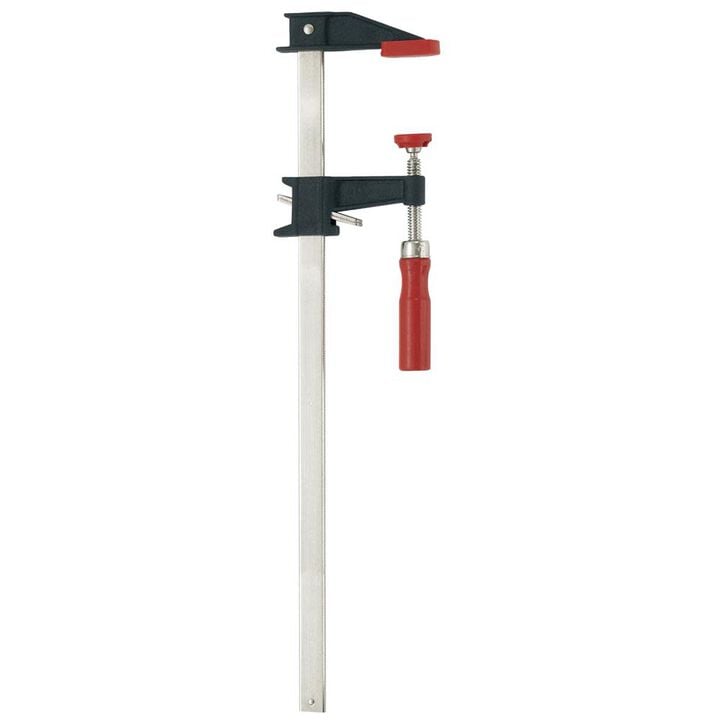
- Clamps hold components securely during cutting, drilling, gluing and assembly.
You can never have too many clamps. This is not an opinion. It is simply how woodworking works.



Saws and Cut
Saws are the bread and butter of woodworking. But each woodworker uses different saws because not every cut is the same.
- Table saws are commonly used for repeatable rip cuts and working with sheet goods.
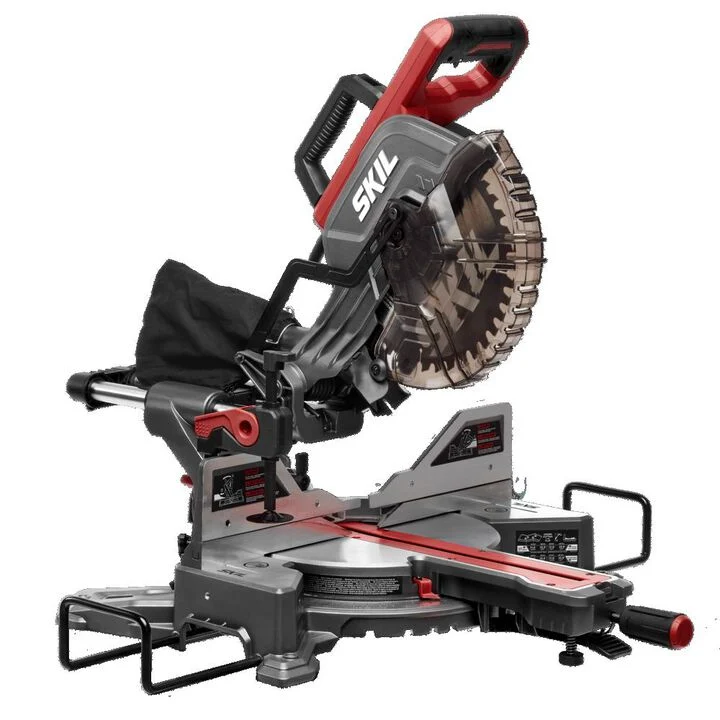
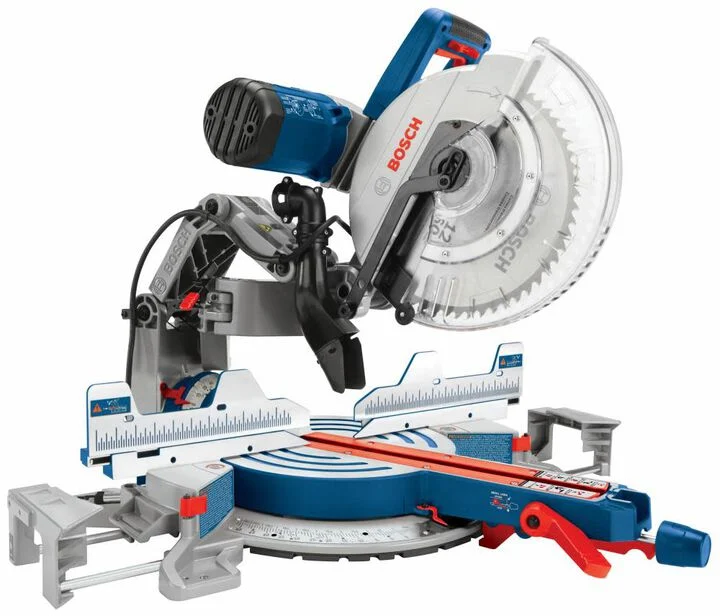
- Miter saws handle crosscuts, angled cuts and repetitive trim work.
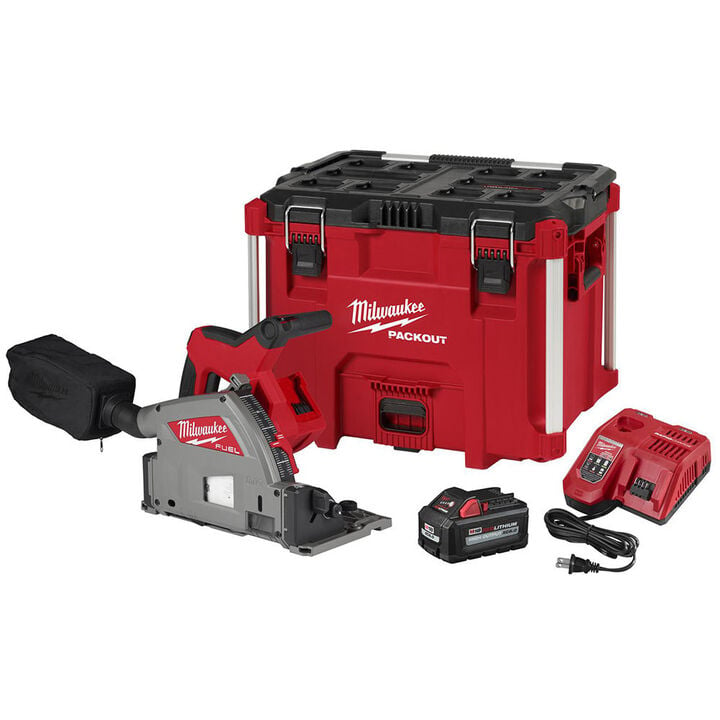
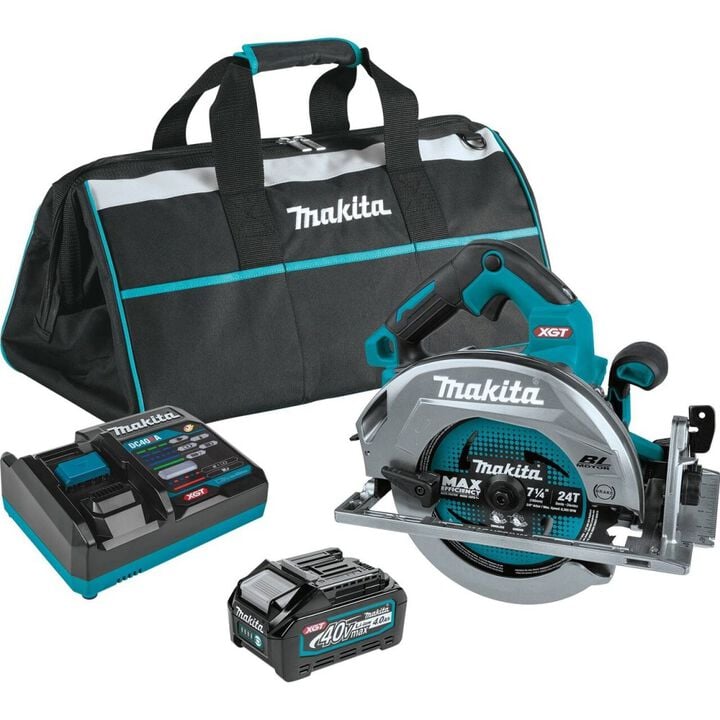
- Circular and track saws provide portable options for breaking down panels and cutting larger material.
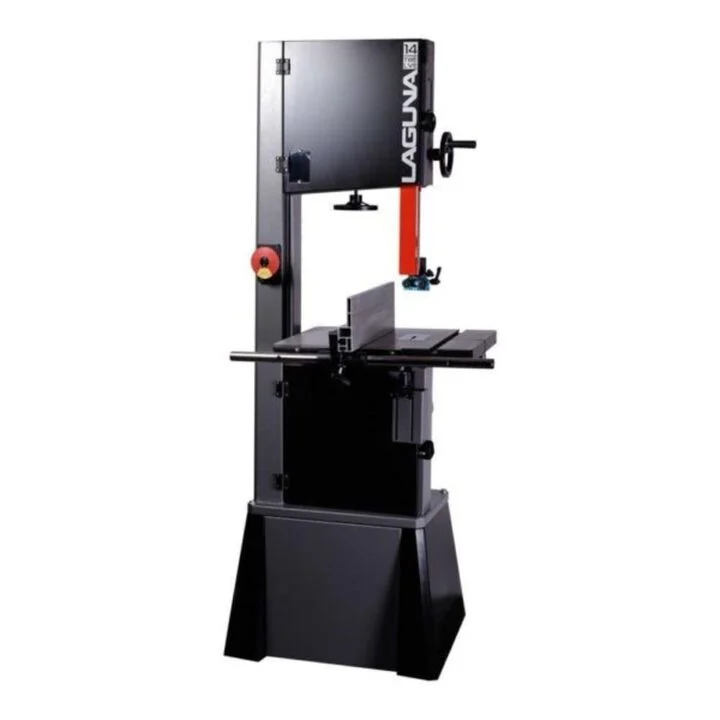
- Jigsaws and band saws are useful for curves, irregular shapes and detailed cuts.
The best saw depends on the material, the required cut and the available workspace. Accuracy, cutting capacity, adjustment features and dust connections are all important considerations.



Drilling, Fastening and Joinery
Strong woodworking projects depend on strong, properly fitted connections.
- Drills and drivers handle pilot holes, countersinking and fastener installation.
- Pocket-hole jigs provide an approachable way to create hidden joints.
- Biscuit and loose-tenon joiners help align parts and create strong connections.
- Doweling jigs, mortising equipment and traditional hand-cut joints offer additional options for different projects.
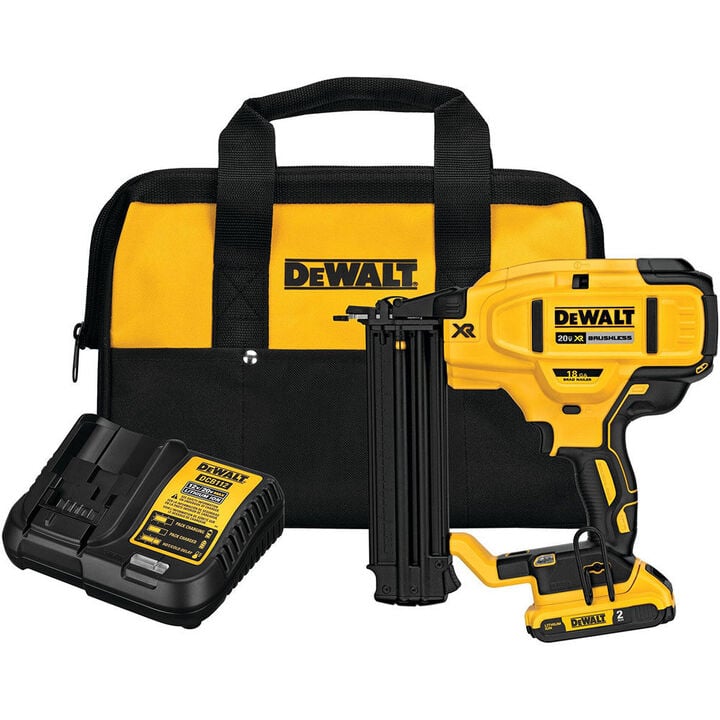
- Nailers can speed up cabinet, trim and assembly work when the application calls for them.
There is no single best joinery method. The right choice depends on the project, required strength, appearance and the tools available.


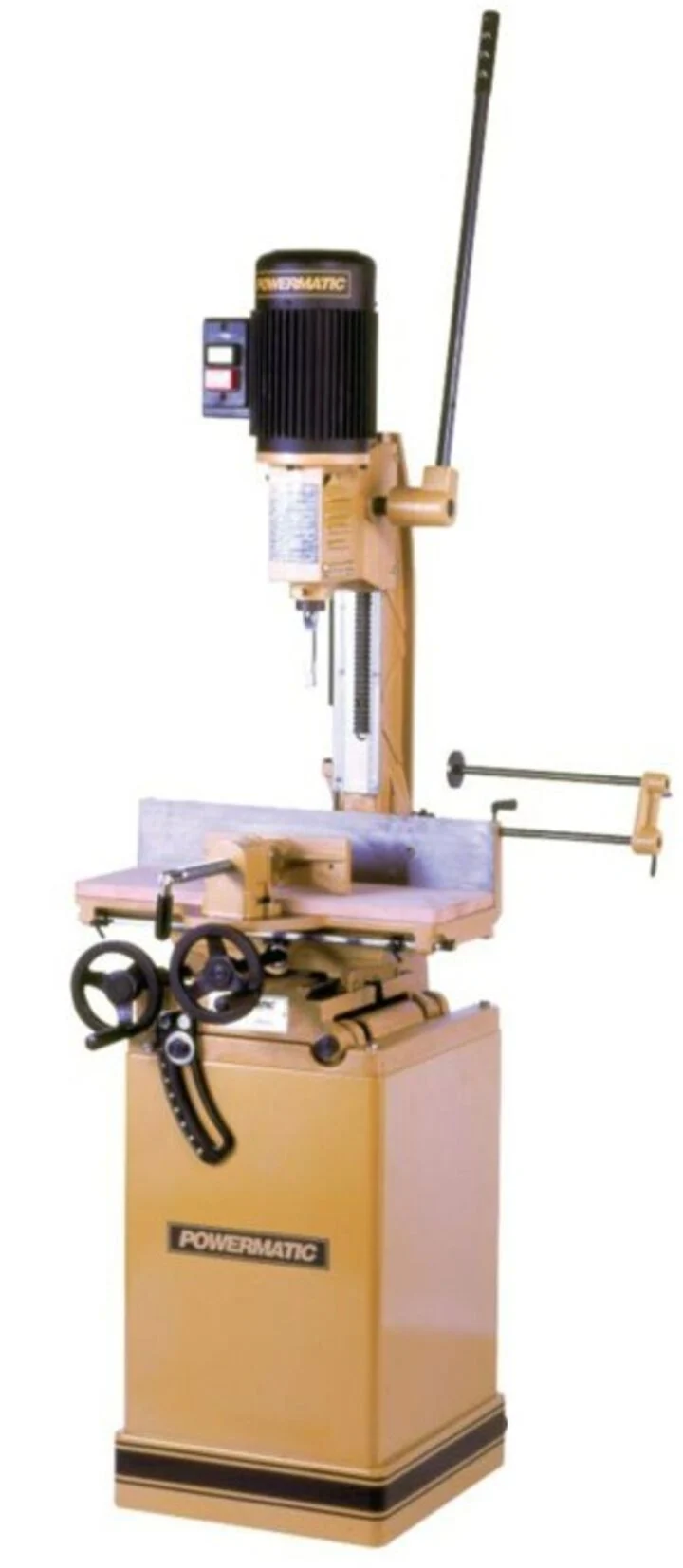

Routers and Shaping Tools
Routers are among the most versatile tools in a woodworking shop.
They can shape edges, cut grooves, create decorative profiles, form joints and follow templates. Router tables provide additional control for certain operations, while handheld routers make it easier to work on larger pieces.
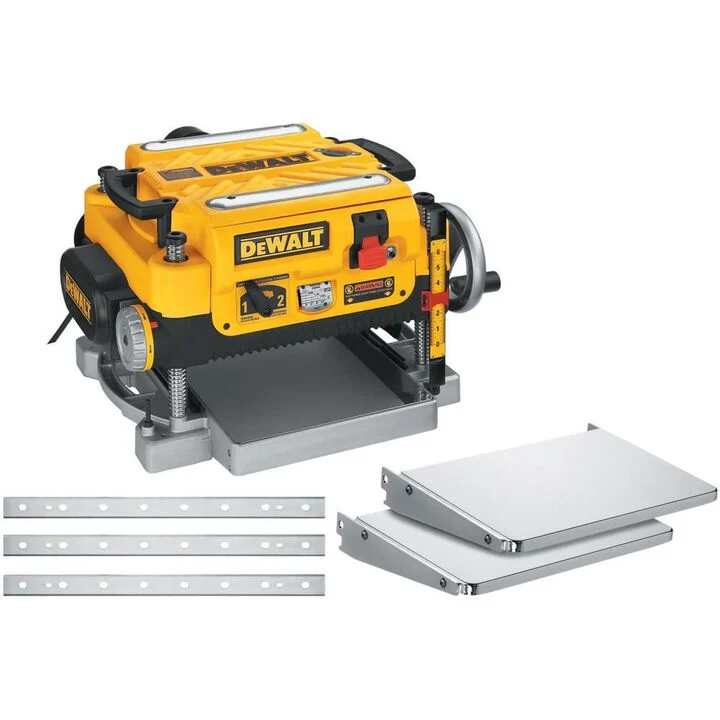
Planers, jointers and other milling tools are great for rough or uneven lumber into material that is flatter, smoother and more consistent in size.



Sanding and Finishing
A project can be built perfectly and still look unfinished if the surface preparation is rushed.
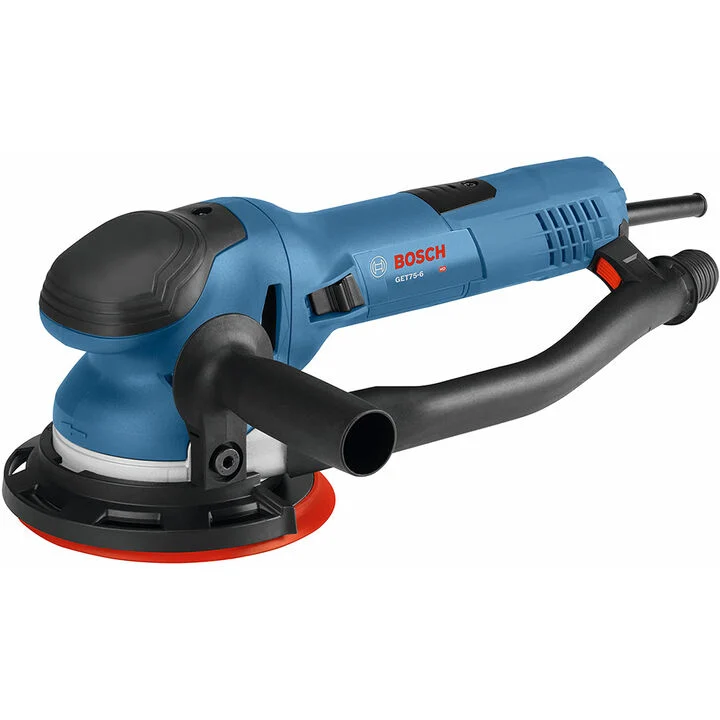
- Sanders and hand-sanding supplies smooth surfaces and prepare wood for finishing.
- Abrasives are available in different grits for material removal, surface refinement and final preparation.
- Stains, paints, oils and clear finishes can protect the wood while changing or enhancing its appearance.
- Careful dust removal between steps helps produce a cleaner final result.
Sanding might not be anyone’s favorite part of woodworking, but the finish has a way of revealing every shortcut.


Dust Collection and Shop Safety
Woodworking creates chips, fine dust, noise and fast-moving blades. A safe shop is more than just being careful.
Woodworkers need appropriate eye, hearing and respiratory protection for the material and application. Guards and safety devices should remain installed and properly adjusted. Tools should be disconnected from power or have the battery removed before blades, bits, or accessories are changed.
Dust extractors, shop vacuums and larger collection systems can help pull in debris at the tool and keep the workspace cleaner. Good lighting and organization also make it easier to see the work and keep scrap material away from cutting areas.
Make sure to follow the tool manufacturer’s instructions and understand the operation before making a cut.



Choosing the Right Woodworking Tools
The right equipment depends on the work being performed. Someone building occasional projects at home may start with measuring tools, a drill, a circular saw, a sander and several clamps. A professional shop may require stationary saws, milling equipment, specialized joinery tools and dedicated dust collection.
Before buying, consider:
- The projects you plan to build
- The lumber and sheet sizes you commonly use
- Available workshop and storage space
- Corded or cordless power
- Battery compatibility
- Cutting capacity and adjustment range
- Dust-collection compatibility
- Portability versus stationary performance
You don’t need to build an entire shop overnight. Start with dependable essentials and add specialty equipment as your projects and skills grow.
Built With Skill
Woodworkers create the cabinets, furniture, trim and architectural details that make buildings more useful and more personal. It is skilled work that requires accuracy, creativity and enough patience to fix the parts that refuse to fit on the first try.
This October, take a moment to recognize the professional woodworkers, finish carpenters, cabinetmakers and dedicated DIYers turning lumber into something worth keeping.
Ready to improve your workshop? Explore woodworking tools and equipment at Acme Tools and find the equipment that fits the way you build.


0 Comments