

The Great Screwdriver Showdown: Comparing Screwdriver Models That Matter
Feb 18, 2026
Look, we need to talk about something that's been driving people up the wall for decades.
You walk into your garage, toolbox open, staring at three different screwdriver bits, wondering which one won't strip out like your last five projects. You've got Robertson (square drive), Phillips (the cross thing everyone knows), and Torx (the fancy star). They all turn screws. They all live in your tool belt. But which one's worth your time when you're hanging drywall at 6 AM on a Saturday?
Here's the deal: comparing screwdriver models isn't just about what fits in the screw head. It's about which one won't make you want to chuck your impact driver through a window when you're three hours into a deck build. Let's break down these three heavy hitters and figure out which deserves a permanent spot in your rig.
The Phillips Head: America's Sweetheart (Unfortunately)
The Phillips screwdriver is everywhere. Your grandpa had one. You have seventeen. They're in every junk drawer from Maine to California. But here's the thing nobody tells you: the Phillips head kind of sucks.
Back in 1933, a businessman named Henry Phillips bought the patent from the inventor, John P. Thompson, and marketed it aggressively. Ford wanted Robertson screws for the Model T, but the Canadian inventor wouldn't license the design. So, Ford went with Phillips instead, and the rest is frustrating history.
The Phillips was designed for assembly lines where speed mattered more than anything else. The cross-shaped recess centers itself, which is great when robots are building Cadillacs. But here's where it gets wild: that infamous "cam-out" feature, where your bit slips out of the screw, wasn't intentional. That's a myth that won't die. The sloped edges make it easier to strip when you're not pressing hard enough or using the wrong-size bit.
The Real Talk on Phillips:
- They're literally everywhere, so you'll never run out.
- Self-centering design works great for quick assembly.
- Cam-out is annoying as hell and strips screws faster than your patience runs out.
- Come in sizes #0 through #4, but most people only use #2.
- Perfect for drywall because the bit releases when the screw seats (by design these days).
When you're comparing screwdriver models, the Phillips is that reliable friend who shows up to help you move but complains the whole time. It gets the job done, but there are better options.
Robertson: Canada's Gift to Getting Work Done
If you've never used a Robertson screw, you're missing out on one of the great pleasures in construction. This square-drive design was invented by Canadian P.L. Robertson in 1908, and it's legitimately better than Phillips in almost every way.
The Robertson screw has a tapered square recess that grips your bit like it means business. You can literally shake your driver up and down, and the screw stays on there. Try doing overhead work with a Phillips; you'll be chasing screws across the job site all day. With Robertson, the screw hangs on the bit, waiting for you to position it.
Here's the kicker: Robertson screws are incredibly hard to strip. That square drive distributes torque evenly across four contact points, and the fit is tight enough that you can drive deck screws through a 4x4 without breaking a sweat. Sheet metal guys swear by them. Electricians love them for electrical boxes. Anybody doing serious woodworking keeps a full set of Robertson bits on hand.
Why Robertson Crushes It:
- Color-coded by size (green = #1, red = #2, black = #3).
- Screw stays on the bit for one-handed operation.
- Almost impossible to strip with the right-size bit.
- Perfect for decking, framing, and anywhere you need serious torque.
- Easy to clean if dirt gets in the recess, use a pick.
The only downside? They're tougher to find in the US because of that whole Ford licensing drama. But they're worth hunting down, especially if you're doing any serious building.
Torx: The New Kid That Might Be Taking Over
Torx screws look like tiny six-pointed stars, and they're starting to show up everywhere. Car manufacturers love them. Electronics use them. Even construction screws are switching to Torx, and once you use them, you'll understand why.
The star pattern creates more contact points than Robertson or Phillips, which means better torque transfer and virtually zero cam-out. The engagement angle is nearly perpendicular to the driving surface, so your bit doesn't want to climb out as it does with Phillips. It's engineering that makes sense.
Here's what separates Torx from the pack: they handle high-torque applications better than anything else. Those six points distribute force so evenly that it's almost impossible to strip the head. And while Robertson screws can cam out a bit when you're really cranking them, Torx bits dig in and get the job done.
The Torx Advantage:
- The six-point star design provides the maximum contact area.
- Handles extremely high torque without stripping.
- Available in sizes from T1 to T100 (a much wider range than Robertson).
- No cam-out, period.
- Becoming standard in the automotive and construction industries.
The only complaint you'll hear is that dirt and debris can get stuck in those star points more easily than in Robertson, and they cost slightly more. But when you're comparing screwdriver models for serious applications, Torx is increasingly becoming the go-to choice.
Head-to-Head: Comparing Screwdriver Models for Your Next Job
So, which one wins when you're comparing screwdriver models? Depends on what you're building.
For Drywall: Phillips all day. The cam-out feature helps here because your screw stops driving when it seats properly. Just don't use cheap screws, or you'll strip every third one.
For Decking and Framing: Robertson is king. Those screws hang on your bit; they don't strip, and you can work one-handed while holding a board in place. Canadians have been laughing at us Americans for decades on this one.
For Automotive or High-Torque Work: Torx wins hands down. Whether you're mounting brake calipers or building furniture that needs to last, Torx delivers torque transfer without any stripping.
For General Construction: Honestly? Keep all three in your pouch. But if you had to pick one, Robertson or Torx will save you more headaches than Phillips ever will.
The Bottom Line On Comparing Screwdriver Models
After comparing screwdriver models across dozens of projects, here's what it comes down to: Phillips is convenient because it's everywhere, but it's frustrating. Robertson is the sweet spot for most construction work; it just works better. Torx is the future, especially for anything requiring serious torque.
The real move? Stock your tool belt with quality bits for all three. Get a good multi-bit driver with Phillips #1, #2, and #3, Robertson in green, red, and black, plus Torx T15, T20, and T25. That covers 90% of what you'll encounter on any job site.
And here's the pro tip: buy quality bits. A Phillips bit with a garbage tip will strip screws even faster. A worn Robertson bit loses its grip. A cheap Torx bit rounds off. Invest in high-quality pieces from brands that know what they're doing, and replace them when they start to wear out.
Get the Right Tools for the Job
When you're serious about comparing screwdriver models and getting work done, you need quality tools that won't quit on you. At AcmeTools.com, we stock everything from professional-grade impact drivers to complete bit sets that'll handle any screw head you encounter.
Check Out Our Top Screwdriver Essentials:
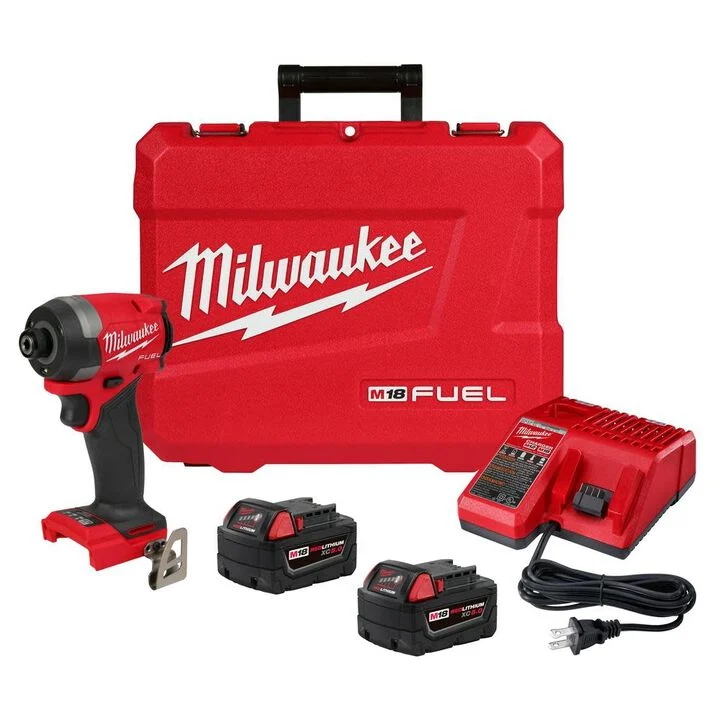
- Impact Drivers: Variable speed, high torque, and the power to drive any screw without stripping.
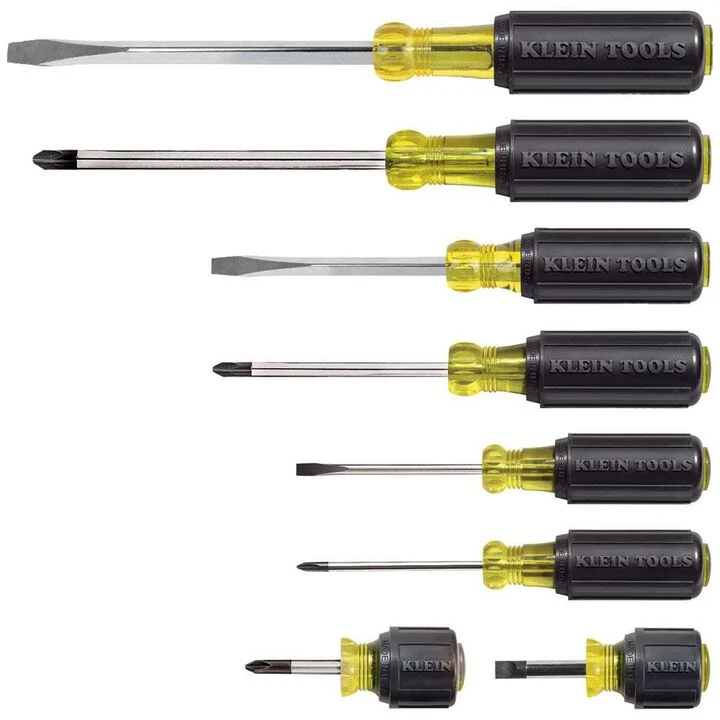
- Multi-Bit Screwdriver Sets: Every Phillips, Robertson, and Torx size you need in one organized case.
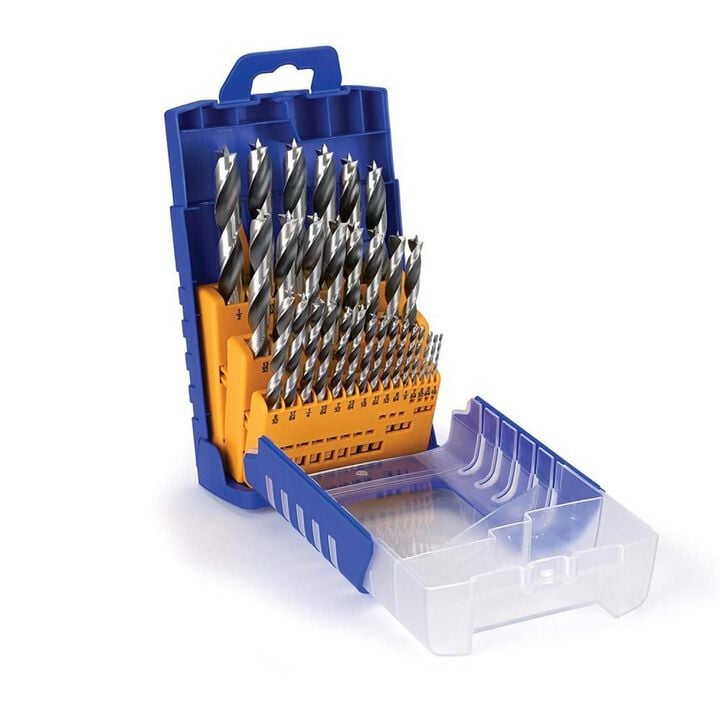
- Premium Bit Sets: Professional-grade bits that last longer and grip better than the cheap stuff.
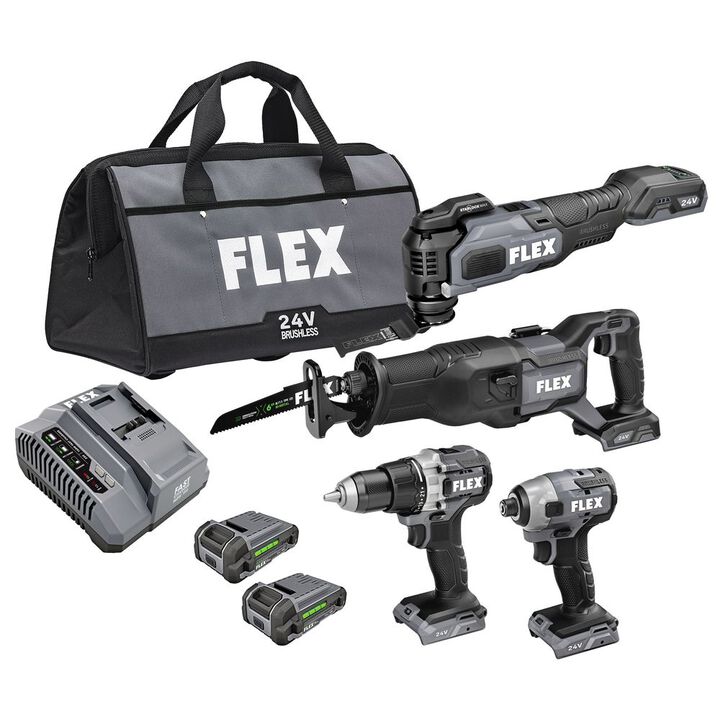
- Power Drill Combos: Complete kits with everything you need for drilling and driving.
- Specialty Driver Bits: Extended reach, right-angle, and impact-rated bits for tough situations.
Whether you're team Robertson, riding with Torx, or stuck with Phillips, we've got the gear that'll make your next project way less painful. The screw wars might never end, but at least now you know which battles are worth fighting. Stock up, keep your bits sharp, and maybe, just maybe, you'll finish that deck before football season starts.



0 Comments