

Drill/Driver vs. Impact Driver
A drill/driver and an impact driver may look similar, but they are made for different jobs.
The easiest way to remember the difference:
- Drill/driver: Best for drilling holes and carefully driving screws.
- Impact driver: Best for driving long screws and stubborn fasteners.
What Is a Drill/Driver?
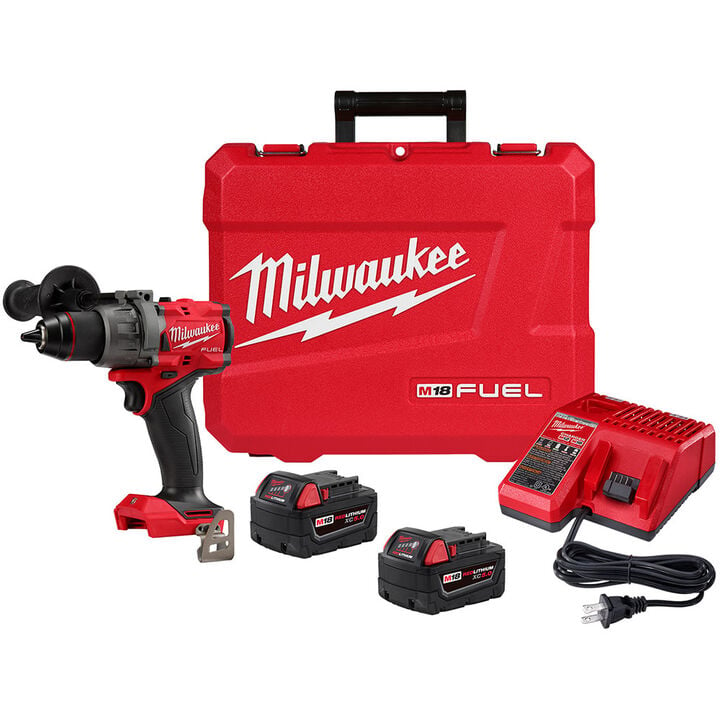
A drill/driver is the traditional cordless drill most people recognize.
It uses smooth, steady rotation and can:
- Drill holes in wood, metal and plastic
- Drive small and medium screws
- Assemble furniture
- Install shelves, cabinets and hardware
- Handle most basic home repairs
A drill/driver has an adjustable chuck that can hold many types of bits, including:
- Standard drill bits
- Screwdriver bits
- Spade bits
- Hole saws
- Hex-shank accessories
What Does the Clutch Do?
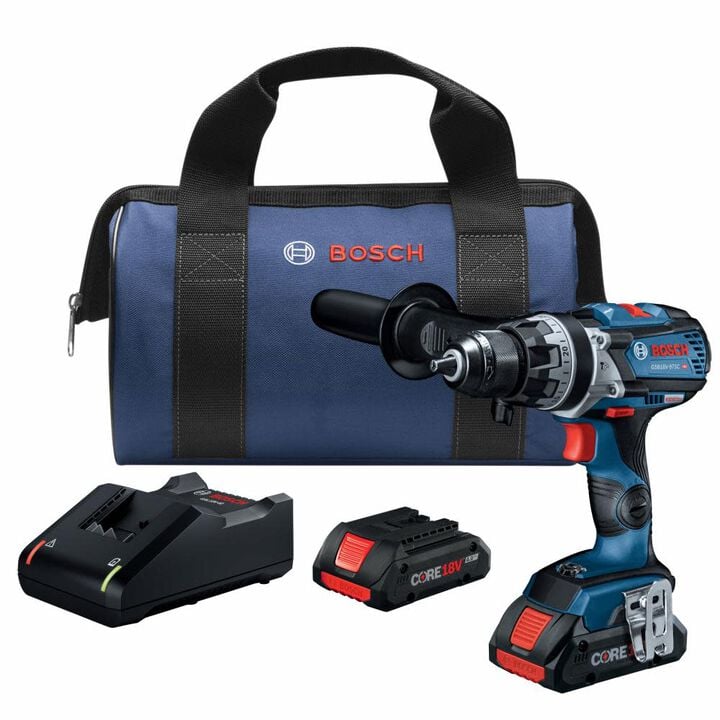
The numbered ring near the front of the drill is called the clutch.
It controls how much force the drill uses before it stops turning.
- Lower settings are better for small screws and delicate materials.
- Higher settings provide more force for larger screws.
- The drill-bit symbol provides full power for drilling holes.
The clutch helps prevent:
- Stripped screws
- Broken screws
- Cracked wood
- Screws being driven too deep

What Is an Impact Driver?
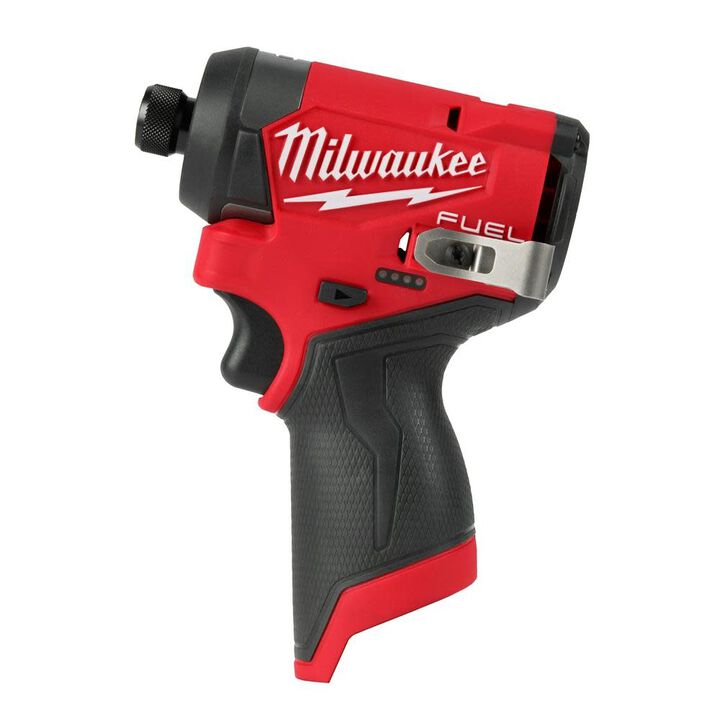
An impact driver is mainly designed for driving screws and bolts.
It begins by spinning normally. When the fastener becomes difficult to turn, the tool delivers rapid twisting impacts.
That extra force makes it ideal for:
- Long construction screws
- Deck screws
- Structural screws
- Lag screws and bolts
- Dense or pressure-treated lumber
- Removing stubborn fasteners
The hammering sound is normal. It often sounds like: Rat-tat-tat-tat


main differences
Which Tool Is Better for Screws?
Use a drill/driver for:
- Small or short screws
- Furniture assembly
- Cabinets
- Door hinges
- Delicate materials
- Projects where screw depth matters
Use an impact driver for:
- Long screws
- Deck and structural screws
- Lag bolts
- Framing and fencing
- Thick or dense lumber
- Stuck fasteners
What Bits Do They Use?
Drill/Driver
A drill/driver has a chuck that opens and closes around the bit. It can hold round or hex-shaped bits in many different sizes.
Impact Driver
An impact driver normally uses a 1/4-inch hex collet. The bit quickly clicks into place.
Use impact-rated bits because they are built to handle the repeated hammering force.
Example: Hanging a Shelf
You might use:
- The drill/driver to create pilot holes.
- The drill/driver to carefully install smaller screws.
- The impact driver if the screws are long or difficult to drive.
A pilot hole makes the screw easier to install and helps prevent the wood from splitting.
Example: Building a Deck
An impact driver is usually better for deck construction because it:
- Drives long screws faster
- Handles thick lumber better
- Transfers less twisting force to your wrist
- Makes repetitive fastening easier
A drill/driver can still be used to drill pilot holes.
Common Beginner Mistakes
- Using a screwdriver bit that does not properly fit the screw
- Pulling the trigger at full speed immediately
- Holding the tool at an angle
- Using an impact driver on delicate materials
- Forgetting to drill a pilot hole
- Using standard bits instead of impact-rated bits
Start slowly, keep the tool straight and apply steady pressure.
Do You Need Both?
You can complete many projects with only a drill/driver, but owning both is convenient.
A common setup is:
- Keep a drill bit in the drill/driver.
- Keep a screwdriver bit in the impact driver.
This lets you drill a hole and drive the screw without repeatedly changing bits.
Which One Should a Beginner Buy First?
For most beginners, the drill/driver is the better first purchase because it can drill holes and drive screws.
An impact driver is a great second tool for larger projects involving:
- Decks
- Fences
- Framing
- Long screws
- Heavy-duty fasteners
Simple rule: Use a drill/driver when you need control. Use an impact driver when you need more driving force.




0 Comments