

Tired of staring at a patchy, weed-filled yard that looks more like a desert than a lawn? You’re not alone, and growing lush green grass from scratch is a lot easier than you think.
Step 1: Prepare the area
Clean debris: Remove sticks, rocks, and any dead vegetation.
Loosen the soil: Rake or use a garden cultivator to loosen the top 1 to 2 inches of soil so the roots can grow in.
Amend the ground: Mix in a thin layer of compost or fertilizer to provide essential nutrients.
Note: Make sure to have proper gloves and protection.


Cool-Season Grasses
- Kentucky Blue Grass (Loves the sun)
- Perennial Rye Grass (Handles foot traffic and grows fast)
- Fine Fescue (Likes shade)
Dry Climate
- Buffalo Grass (Little water, mow rarely)
Transition Zone
- Tall Fescue (Tough grass, handles hot and cold)
- Zoysia Grass (Premium look, handles hot and cold)
Warm-Season
- Bermuda Grass (Toughest, needs full sun)
- St. Augustine (Lush, likes hot summers and mild winters)
- Zoysia Grass (Slow growing, drought tolerant)
Step 2: Spread the Seed
Choose the right seed: Select a grass suited to your local climate and sun/shade conditions.
Distribute evenly: Use a walk-behind broadcast spreader for larger areas, for smaller areas, apply by hand.


Step 3: Cover the Seed
Rake it in: Gently use the back of a leaf rake to work the seed into the soil about 1/8 to 1/4 inch deep. You want the seeds covered, but not buried too deep, or they won't grow.
Protect the surface: For larger or sloped areas, spread a very thin layer of peat moss or straw over the top. This keeps the seeds from blowing away, protects them from hungry birds, and helps lock in moisture.


Step 4: Water and Maintain
Keep it damp: This is the most critical step. Water the area 2 to 3 times a day with a light, gentle mist to keep the top inch of soil consistently moist. Avoid pooling water, which can wash the seeds away. Use an effective sprinkler to cover the most ground.
Adjust as it grows: Once the grass sprouts and reaches about 1 inch tall, you can switch to deep watering once a day.



Pro-Tip for Success
Be patient! Depending on the type of grass seed you chose, you’ll start seeing those exciting green shoots anywhere from 7 to 21 days. Keep off the lawn as much as possible during this time, and by next season, you’ll have that lush, barefoot-worthy yard you’ve been dreaming of.
Planting by season (What to look for)
Spring: The Wake-Up Call
Fix Bare Spots: Rake up dead debris and overseed bald patches as soon as the soil warms up.
Feed Early: Apply a light, slow-release fertilizer to fuel spring growth, but don't overdo it or you'll invite weeds.
Stop Weeds Early: Put down a pre-emergent herbicide before weed seeds have a chance to sprout.
Summer: Survival Mode
Mow Tall: Raise your mower blades. Taller grass creates deeper roots and shades the soil, which blocks weeds and holds moisture.
Water Deep & Rare: Instead of daily sprinkles, water heavily 1–2 times a week early in the morning to force roots to grow deep.
Lay Off the Fertilizer: Heavy feeding during mid-summer heat can burn your grass and stress it out.
Fall: The Rebuilding Phase
Aerate & Overseed: Punch holes in the lawn (aeration) to let the soil breathe, then throw down new seed to thicken the yard.
The "Winterizer" Feed: Apply a hearty fertilizer in late fall. This feeds the roots through the winter so the grass springs back fast next year.
Clear the Leaves: Mulch or rake up fallen leaves so they don’t suffocate the grass and cause fungus.
Winter: The Sleep State
Stay Off the Lawn: Frost-covered grass blades are brittle; walking on them can break the plant and leave permanent bare footprints.
Keep it Clear: Avoid leaving heavy items (like patio furniture or toys) on the lawn, which will kill the grass underneath by spring.
How to Make Your Grass Last for Years
Train the Roots: Only water when the grass looks thirsty (wilted or showing footprints), then soak it deeply to make the roots search downward for water.
Sharpen Mower Blades: Dull blades rip the grass instead of cutting it, leaving ragged brown edges that invite disease.
Never Cut Too Much: Stick to the "1/3 Rule", never chop off more than one-third of the grass blade height during a single mow.
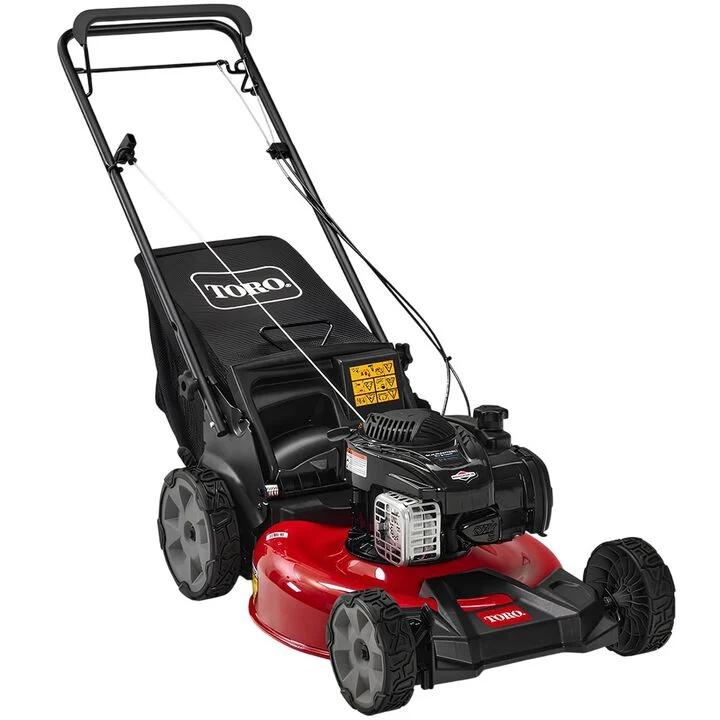
When it's time to start cutting the grass, make sure you have the best lawnmower available. Here are some highly rated options!



0 Comments