

Most people do not think about their mechanic when the car starts every morning. They think about their mechanic when it does not.
But when your car starts making sounds not even music can cover up, a dashboard light starts ruining the commute, or a “quick brake job” uncovers three other problems. Mechanics are the people expected to find the issue, explain it clearly and get everything moving again, often while working around rust, tight spaces and parts that refuse to cooperate.
For August’s Trade of the Month, Acme Tools is recognizing automotive mechanics, diesel technicians, fleet mechanics and the dedicated DIYers keeping their own vehicles on the road.
More Than Turning Wrenches
Modern mechanics need a much broader skill set than the job required a generation ago. Today’s vehicles combine mechanical systems with computers, sensors, electrical components and advanced safety technology.
A mechanic may spend the morning replacing worn suspension components, the afternoon diagnosing an electrical problem and the last hour explaining why ignoring that small oil leak was not, in fact, a long-term repair strategy.
Depending on the shop and specialty, mechanics may handle:
- Routine maintenance and inspections
- Brake and suspension repairs
- Engine and transmission work
- Tire installation and rotation
- Battery and electrical-system testing
- Computer diagnostics
- Heating and air-conditioning repairs
- Fleet and heavy-equipment maintenance
The work changes from vehicle to vehicle, but the goal remains the same: diagnose the problem correctly, complete the repair safely and return the vehicle in dependable condition.
Essential Tools for Mechanics
No two mechanic toolboxes look exactly alike. Tool selection depends on the vehicles being serviced, the type of shop and the work performed most often. Still, most automotive repair setups are built around a few core categories.
Hand Tools
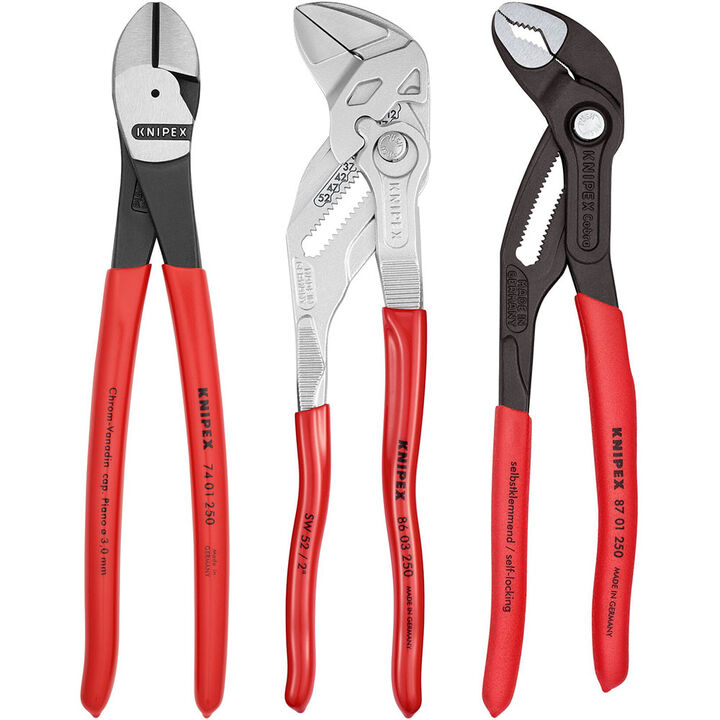
- Ratchets, sockets, wrenches, screwdrivers and pliers form the foundation of a mechanic’s toolbox. A broad selection of SAE (Society of Automotive Engineers) and metric sizes helps technicians work across different vehicle makes and equipment types.
- Six-point sockets are especially useful for automotive work because they grip the flat sides of a fastener. Extensions, universal joints and flex-head ratchets help reach bolts tucked behind brackets, hoses and other components.
- Of course, none of this explains where the 10 mm socket keeps going. Some mysteries are beyond modern diagnostics.




Cordless Automotive Tools
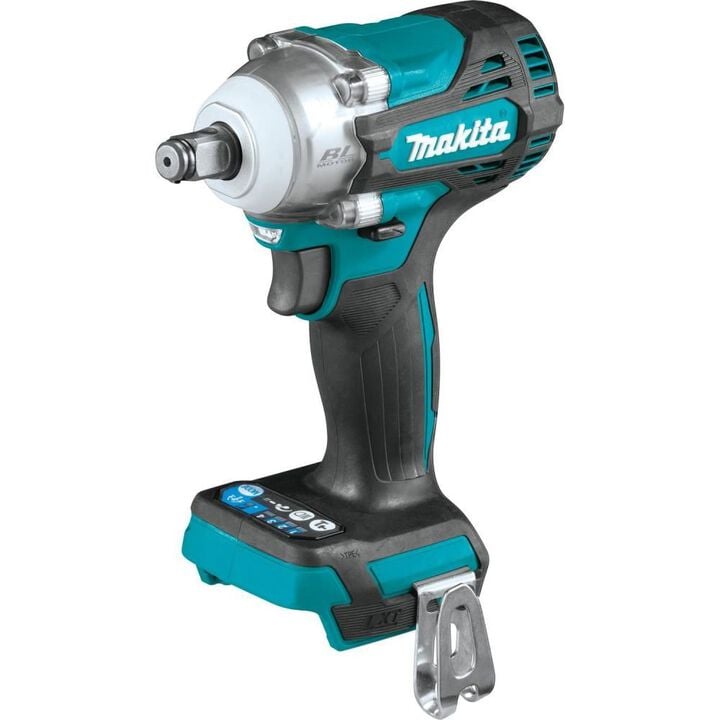
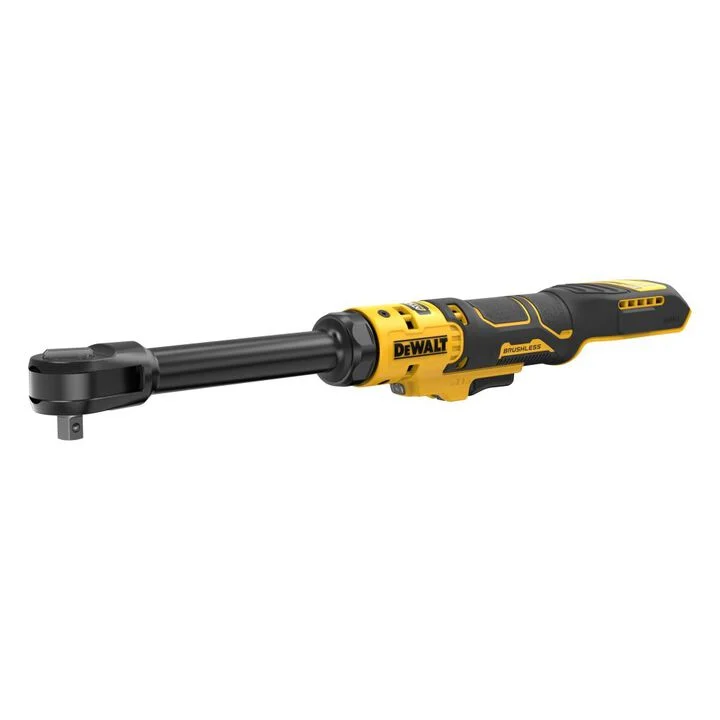
- Cordless impact wrenches and ratchets can save considerable time during repetitive repairs. Impact wrenches provide the force needed to loosen lug nuts and stubborn suspension hardware, while cordless ratchets quickly tighten fasteners in confined areas.
- The best choice depends on the job. More torque is helpful when removing seized hardware, but compact size matters when the fastener is buried inside an engine compartment.
- Mechanics already using a cordless platform should also consider battery compatibility. Sticking with compatible tools can reduce the number of batteries and chargers taking up valuable shop space.




Torque Tools
- Getting a fastener loose is only half the job. Putting it back correctly matters just as much.
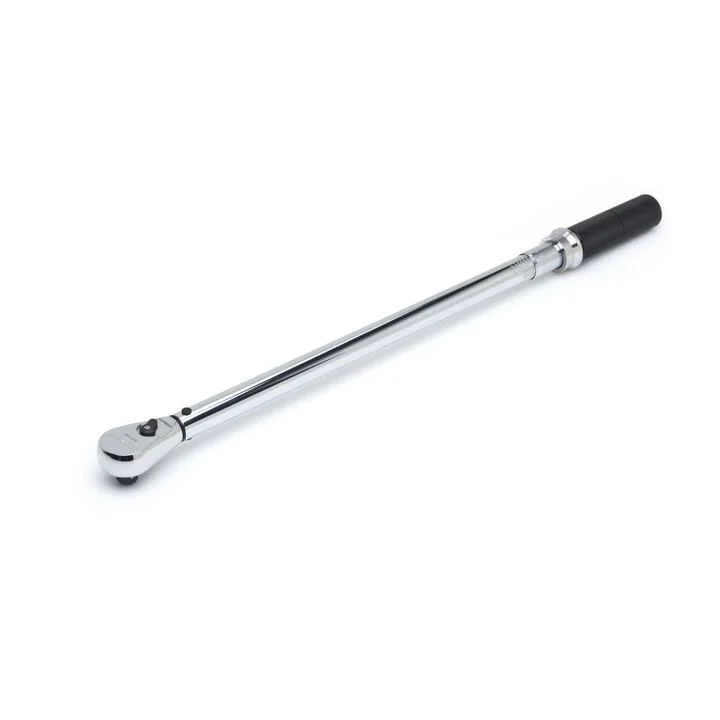
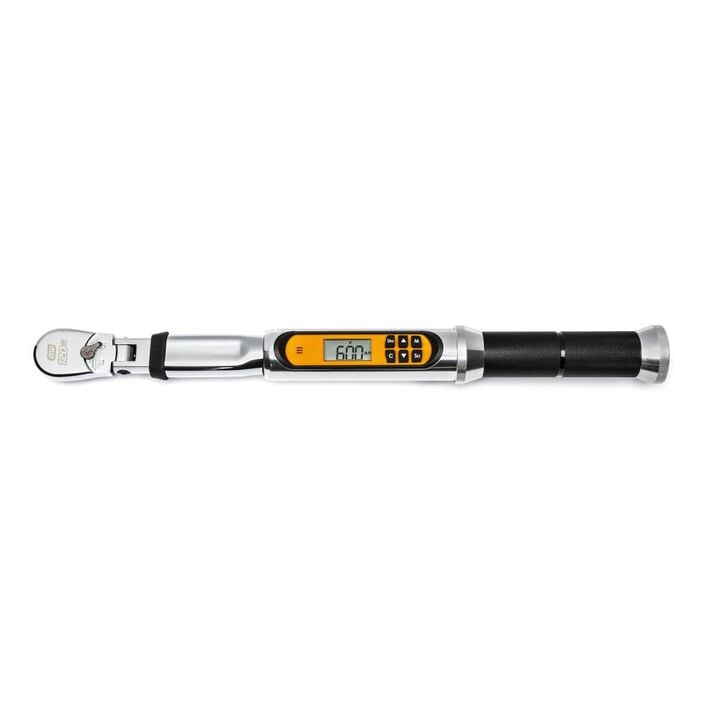
- Torque wrenches help mechanics tighten wheels, suspension components and engine hardware to the vehicle manufacturer’s specifications. This promotes consistent repairs and helps prevent problems caused by fasteners that are too loose or overtightened.
- An impact wrench may get the lug nuts on quickly, but the torque wrench should have the final word.




Diagnostic Equipment
- A check-engine light is a warning, not a diagnosis.
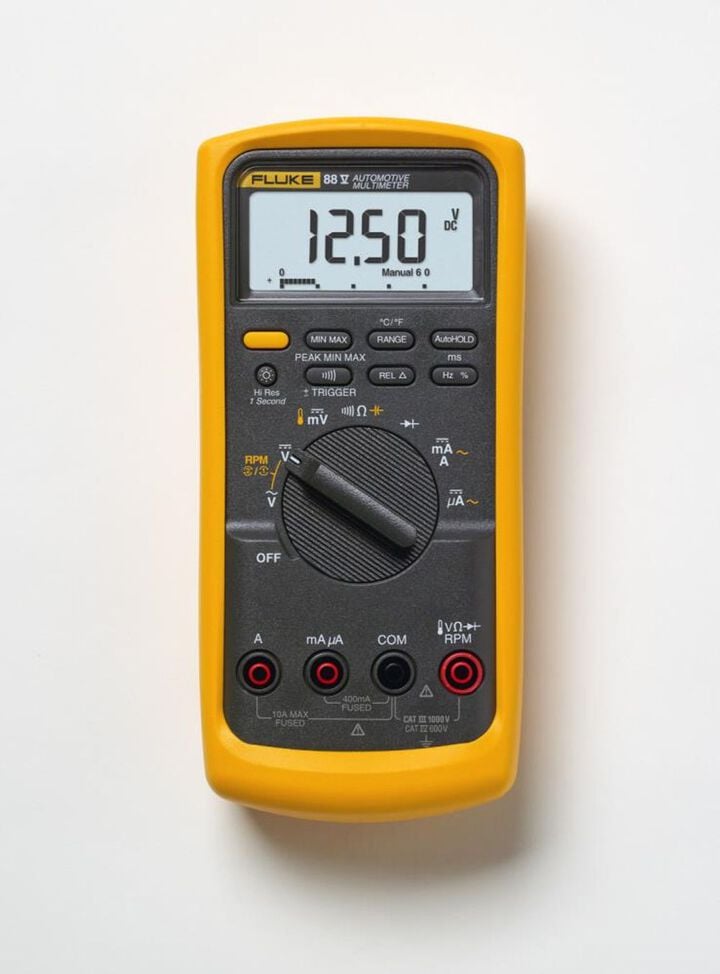
- Code readers, scan tools and electrical testers help mechanics gather information before replacing parts. More advanced diagnostic tools can display live vehicle data, perform system tests and handle certain service resets.
- Good diagnostics reduce guesswork. That can save the shop time, save the customer money and prevent a perfectly good part from being replaced simply because it was nearby when the problem started.



Lifting and Shop Equipment
- Floor jacks, jack stands, vehicle lifts, creepers and shop seats make it possible to work safely and comfortably around a vehicle.
- A floor jack is designed to raise the vehicle. Properly rated jack stands are used to support it while work is performed underneath. Mechanics should always follow the vehicle manufacturer’s recommended lifting points and use lifting equipment on a stable surface.
- Shop equipment may not be the most exciting part of a tool collection, but it becomes extremely important when several thousand pounds of vehicle are involved.


Lighting and Organization
- Vehicle components have an impressive ability to hide in the darkest part of the engine bay.
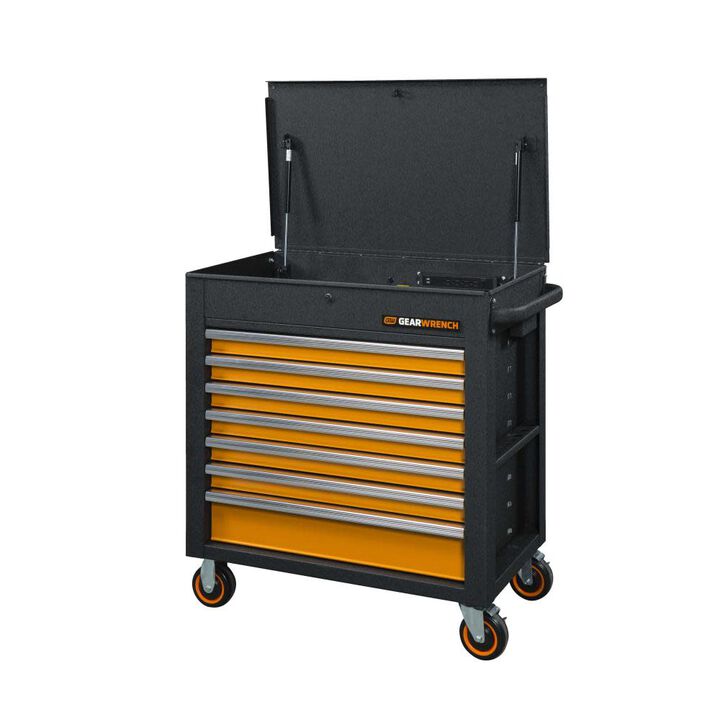
- Underhood lights, inspection lights and magnetic work lights improve visibility during repairs. Tool storage is equally important. A well-organized toolbox helps technicians find the right socket quickly and notice when something has not been returned.
- Better organization does more than make a shop look clean. It reduces wasted time and helps keep tools from being left inside a vehicle.




Choosing the Right Mechanic Tools
The best automotive tools are the ones suited to the work being performed. Someone building a home garage may begin with a mechanics tool set, floor jack, jack stands and torque wrench. A professional technician may prioritize cordless automotive tools, specialty sockets and more advanced diagnostic equipment.
Before buying, consider:
- The types of vehicles you work on
- The repairs you perform most often
- SAE and metric size requirements
- Required drive sizes and torque ranges
- Battery compatibility for cordless tools
- Tool storage and available shop space
- The rated capacity of lifting equipment
Buying everything at once is rarely necessary. Start with dependable essentials and expand the collection as the work demands it. Every mechanic’s toolbox was smaller at some point.
Keeping Drivers and Businesses Moving
Mechanics do more than repair personal vehicles. They keep delivery vans on schedule, construction equipment working, farm trucks running and emergency vehicles ready for the next call.
It is skilled, physical and increasingly technical work. It also requires patience, especially when the customer describes the problem as “a noise” and then says it only happens sometimes.
This August, take a moment to recognize the mechanics who keep vehicles safe, dependable and ready for the road. If your toolbox needs an upgrade, explore automotive tools, diagnostic equipment and shop supplies at Acme Tools and find the equipment that fits the way you work.


0 Comments