

Most people do not think about their HVAC technician when the house feels nice and comfortable. They think about one when the air conditioner quits during dinner or the furnace gives up before breakfast.
Every service call starts with the same basic problem: something should be heating, cooling or moving air, and it is not. The technician still has to determine why, often while working in an attic, crawlspace, basement or on a hot rooftop.
For September’s Trade of the Month, Acme Tools is recognizing the HVAC technicians who keep homes, businesses and public buildings comfortable throughout the year.
More Than Heating and Cooling
HVAC work involves mechanical repair, electrical testing, refrigeration, measuring airflow and carrying out sheet-metal fabrication. Technicians also have to understand controls, sensors and the increasing number of connected systems in newer equipment.
A single call could involve replacing a faulty electrical component, while the following one might necessitate locating a refrigerant leak or working out why one room fails to reach the temperature indicated on the thermostat.
Depending on the job and specialty, HVAC technicians may handle:
- Heating and cooling system installation
- Preventive maintenance and seasonal inspections
- Electrical testing and troubleshooting
- Refrigerant recovery, charging and leak detection
- Airflow and pressure measurement
- Ductwork installation and repair
- Furnace, air conditioner and heat-pump service
- Commercial refrigeration and rooftop equipment
The location and equipment may change, but the goal stays the same: find the problem, complete the repair correctly and leave the system running as it should.
Essential Tools for HVAC Technicians
There is no such thing as two HVAC tool bags that are exactly the same. Although service technicians, installers and refrigeration specialists all have different equipment, most of the tool setups are based on a number of common categories.
HVAC Hand Tools
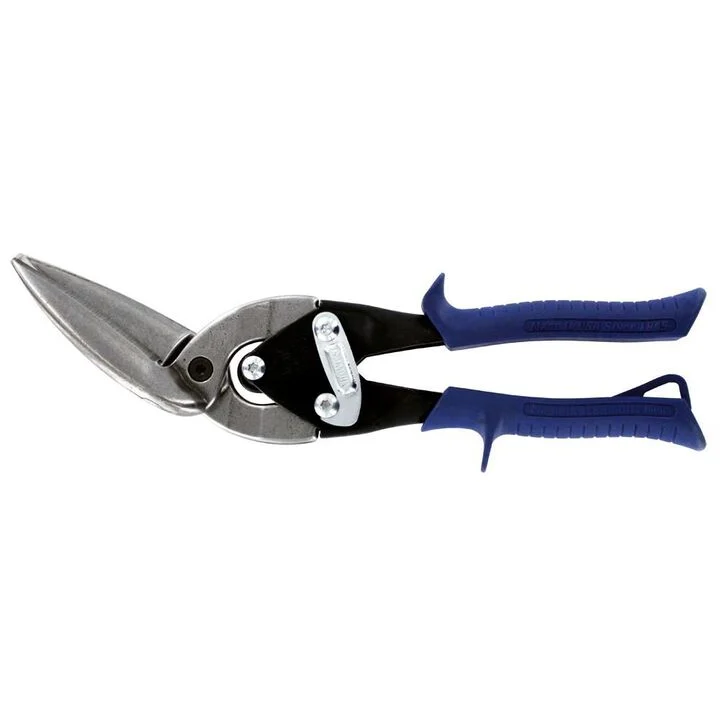
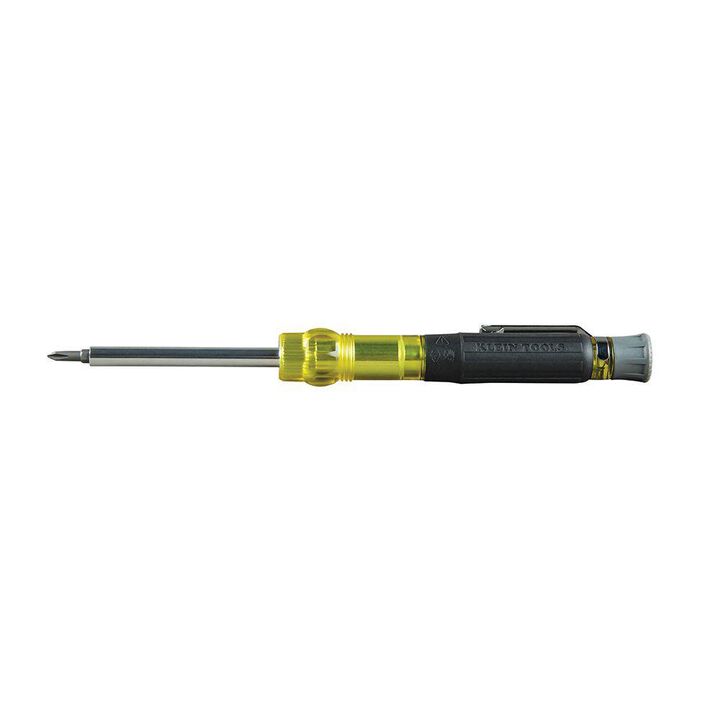
- Screwdrivers, nut drivers, snips and crimpers handle many of the small jobs that fill an HVAC technician’s day.
- HVAC equipment uses several common screw and hex-head sizes. A multi-bit driver reduces the number of separate tools needed for panels, controls and service ports.
- Sheet metal is less cooperative than it looks. Good snips and crimpers make ductwork easier to cut, shape and connect.


Refrigerant Service Equipment
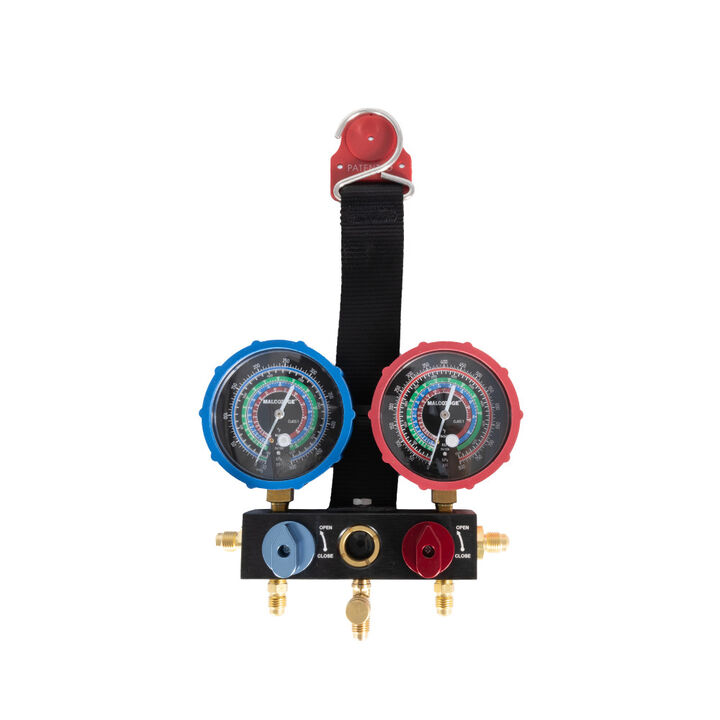
- Manifolds allow technicians to measure the system pressure and are used for connecting the hoses when charging, recovering or evacuating the system.
- A vacuum pump draws out both air and moisture prior to charging a refrigerant system, and recovery equipment is used in order to remove the refrigerant so that it can be handled properly during repairs and replacement.
- It is important to consider refrigerant compatibility, and technicians must make sure that the gauges, hoses, pumps and recovery equipment that they are using are approved for the systems they are servicing.


Electrical and System Diagnostics
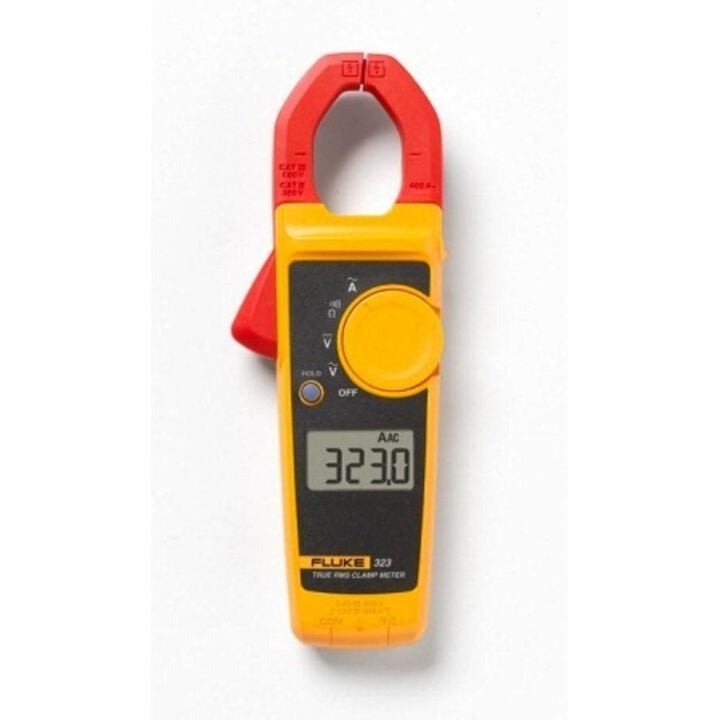
- Most problems relating to heating and cooling stem from electrical problems and clamp meters allow technicians to test voltage, current, resistance, capacitance and other values prior to replacing the parts.
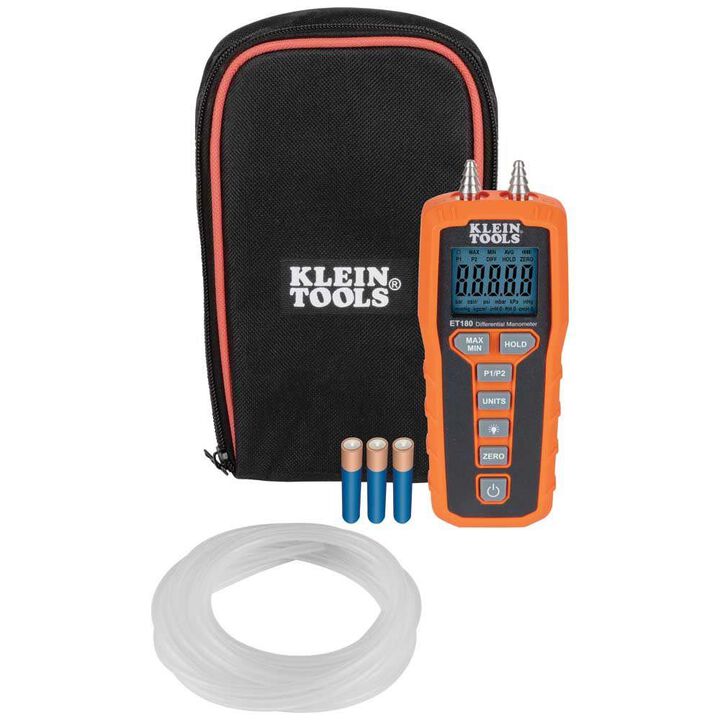
- Manometers are used for measuring both pressure and the difference in pressure, they can assist with checks of airflow, gas pressure testing, and troubleshooting of a system.
- Diagnostic tools provide evidence. That is much better than replacing a part because it looked suspicious.



Leak Detection and Inspection
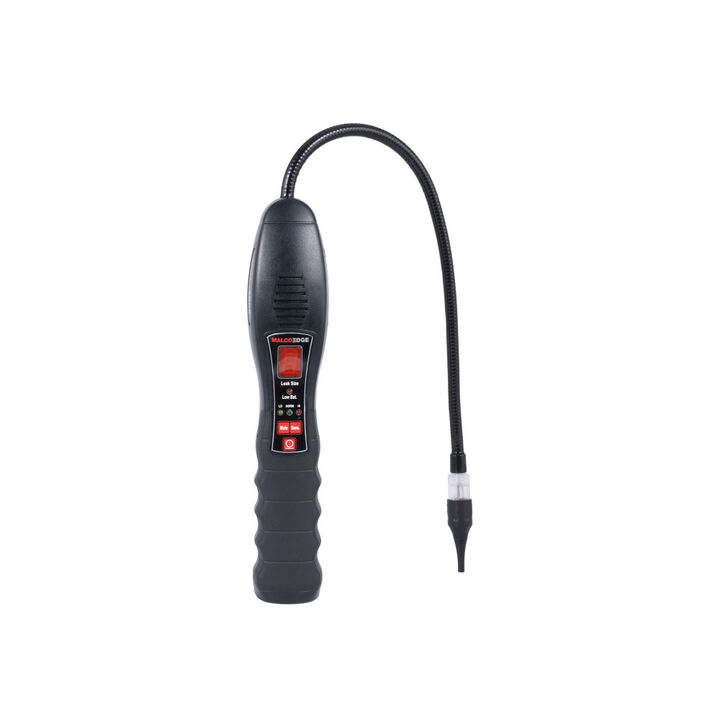
- It is difficult to detect small refrigerant leaks without a detector, and locating the exact source will help avoid further visits and unnecessary repairs.
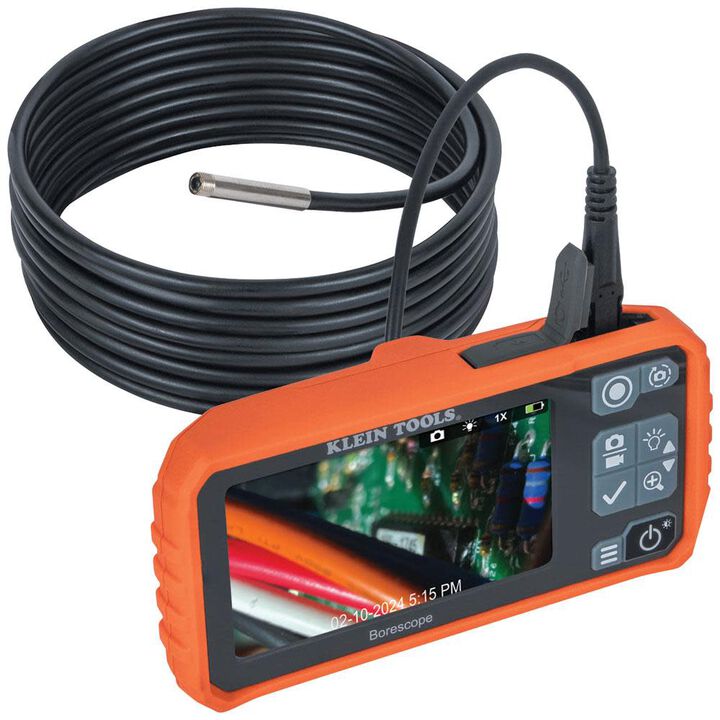
- Borescopes provide a view inside ducts, equipment cabinets and other areas that cannot be inspected easily from the outside.
- Temperature measuring devices enable technicians to compare the temperature of the supply air, return air, the pipes and other surfaces. Nevertheless, a reading from the thermostat by itself never gives the full picture.



Tubing and Ductwork Tools
- The installation of HVAC systems usually involves cutting and bending copper tubing, and it is important to make clean cuts and apply controlled bends to protect the tubing and prepare it for proper connections.
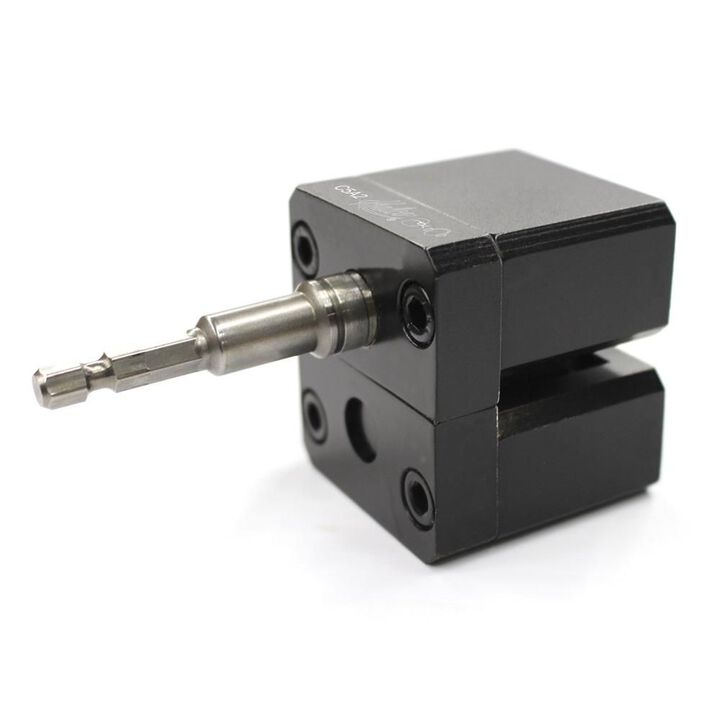
- Ductwork also needs to be cut, shaped and joined. Manual tools work well for occasional jobs, while powered accessories can save time during larger installations.
- Trying to bend something or speeding up a cut generally results in more effort. Using the correct tool helps to keep the material in better condition and produces a cleaner finished installation.


Lighting and Organization
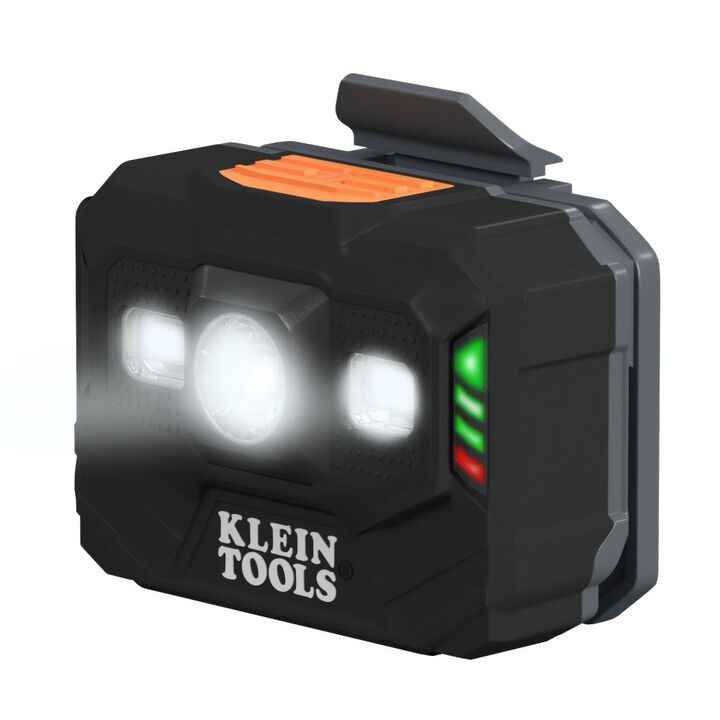
- HVAC equipment is usually installed in areas without natural light. The use of a headlamp or a variable work light makes it much easier to carry out inspections and repairs.
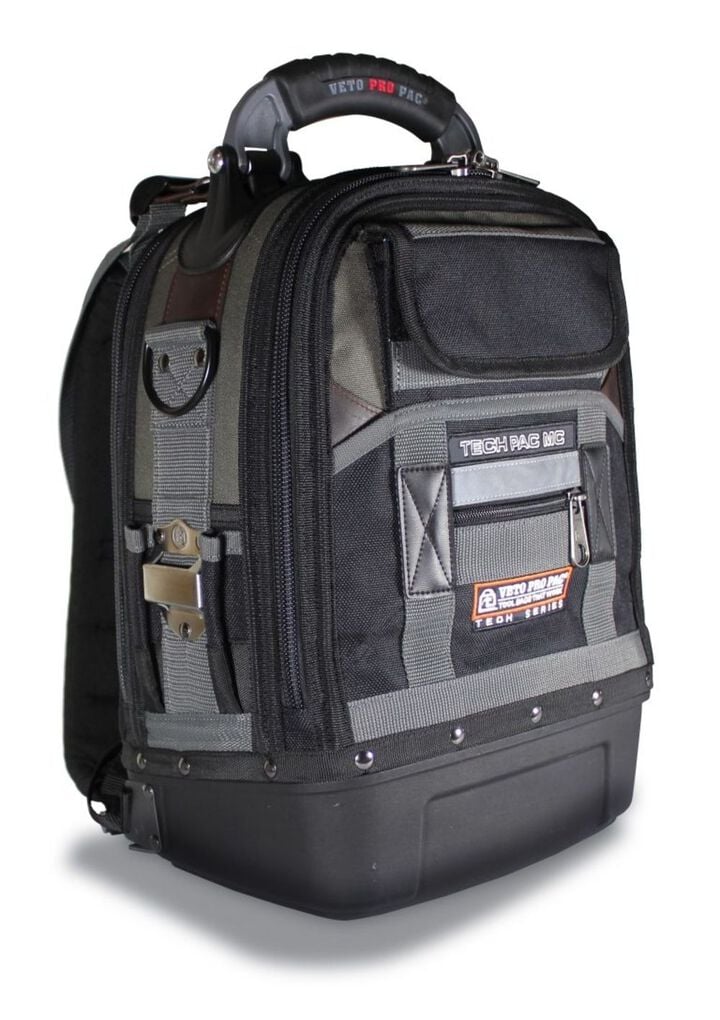
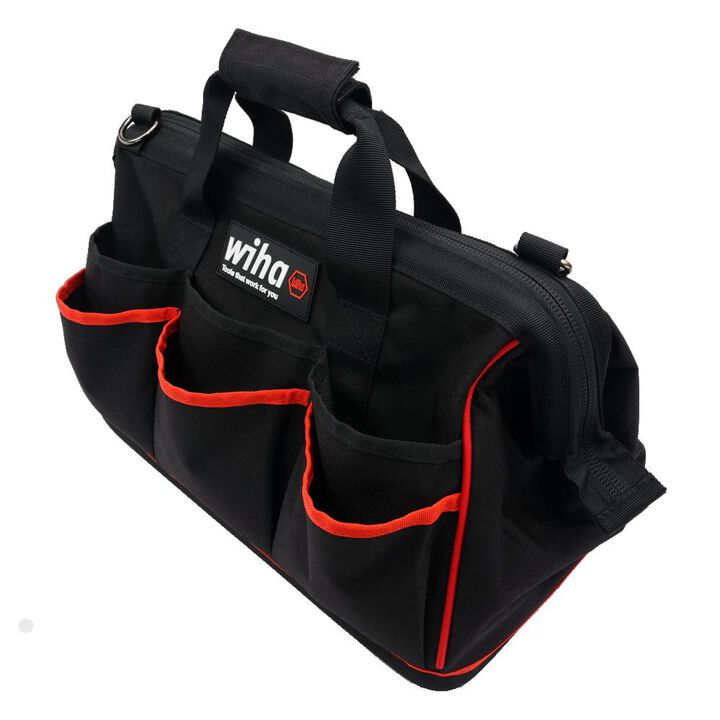
- A service bag must include space for meters, hand tools, spare parts, and the small items that technicians need during the day.
- Good organization reduces constant trips back to the truck. It also helps prevent a screwdriver from spending the rest of its life trapped inside an air handler.

Choosing the Right HVAC Tools
Which tool you choose will depend on the type of work you are carrying out. A technician working in a residential area might prefer to have meters, temperature tools and a small service bag. On the other hand, an installer will probably need more tubing, ductwork and refrigerant equipment.
Before buying, consider:
- The systems and refrigerants you service
- The measurements and pressure ranges required
- Electrical safety ratings
- Service work versus installation work
- Battery compatibility for cordless equipment
- Tool weight and storage space
- Calibration, maintenance and replacement-part availability
There is no need to buy everything at once. Start with the tools needed for regular service calls and add specialty equipment as the work requires it.
Keeping Homes and Businesses Comfortable
HVAC technicians have a role that goes beyond just ensuring that houses are comfortable; they assist restaurants in protecting their food, enable offices to remain open, keep schools in usable condition, and help businesses guard the equipment that cannot withstand extreme temperatures.
The work is physical, technical and rarely performed in a convenient location. It also requires patience, especially when the only description of the problem is, “It made a noise yesterday, but now it stopped.”
This September, take a moment to recognize the HVAC technicians who keep heating, cooling and ventilation systems running. Visit our HVAC Trade of the Month page here on Acme Tools!


0 Comments