

A fence takes a lot of abuse from weather, dirt, grass clippings, algae, mold, and mildew. Over time, that buildup can make wood, composite, or PVC fencing look older than it really is. The good news is that with the right fence cleaner, pressure washer, and spray technique, you can refresh your fence without making the job harder than it needs to be.
Before you start, remember that pressure washers are powerful. Using too much pressure or the wrong nozzle can damage wood, strip softer surfaces, or leave uneven marks. Always read your pressure washer manual and cleaner label before applying detergent or spraying your fence.
What You’ll Need
- Pressure washer
- Deck and fence cleaner
- Garden hose or fresh water source
- Wide-angle spray nozzle
- Soap nozzle or foam cannon
- Stiff-bristle brush
- Safety glasses
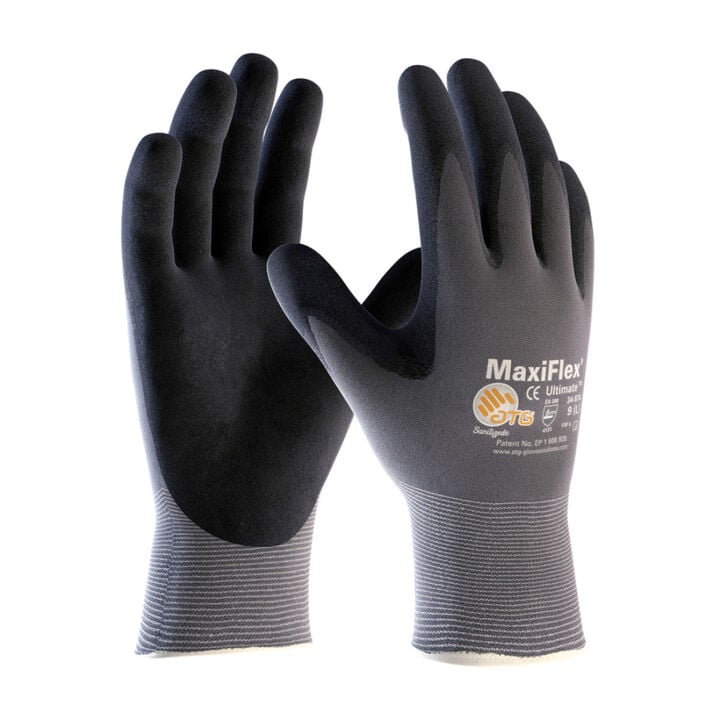
- Work gloves
- Work boots
- Hearing protection if using a gas pressure washer
Step 1: Get the Area Ready
Before spraying anything, clear the area around the fence.
Move patio furniture, decorations, planters, hoses, toys, and anything else that could get in the way. Trim back branches or tall grass if they make it hard to reach the fence.
You should also cover nearby plants, outlets, lights, or anything else you do not want sprayed with detergent or high-pressure water. Close nearby windows and doors, and pay attention to the wind so overspray does not blow back toward you, your house, or your landscaping.
Step 2: Choose the Right Fence Cleaner
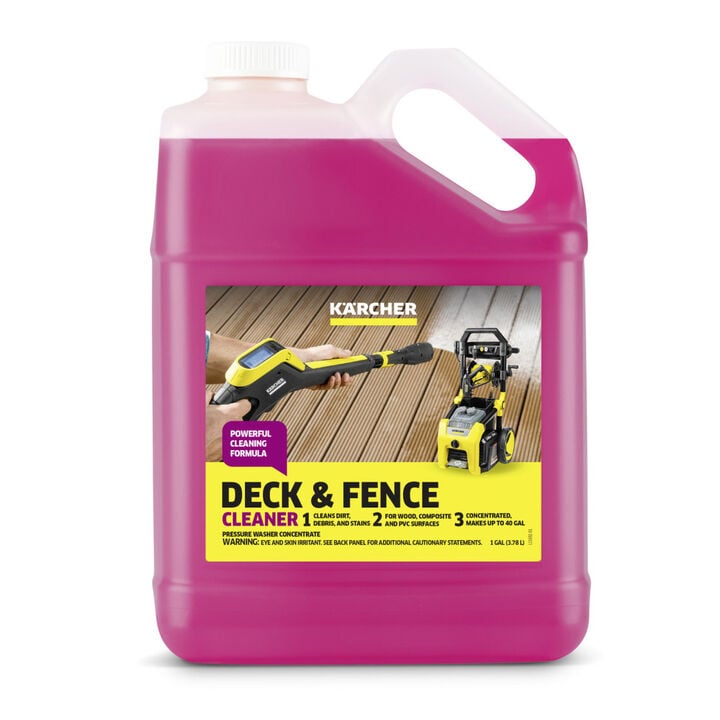
For dirty or weathered fencing, water alone may not be enough. A dedicated fence cleaner helps break down grime before you rinse.
The Karcher 1 Gallon Pressure Washer Deck & Fence Cleaner is designed for use with pressure washers and can help remove environmental dirt, grime, algae, mold, mildew, and even iron marks. It is a concentrated formula that makes up to 40 gallons of ready-to-use cleaner, making it useful for larger fence-cleaning jobs.
It can be used on wood, composite, and PVC surfaces, but always check the label before applying it to your specific fence material. The cleaner is also formulated to rinse without leaving residue.
Step 3: Pick the Right Pressure Washer
The best pressure washer depends on your fence material, how dirty the fence is, and how much cleaning power you need.
Simpson Clean Machine 3400 PSI Gas Pressure Washer
The Simpson Clean Machine 3400 PSI 2.5 GPM Gas Pressure Washer is a strong option for larger outdoor cleaning jobs. It delivers high pressure and strong water flow, making it useful for fences, patios, driveways, siding, and other tough residential projects.
Because this is a gas pressure washer, only use it outdoors in a well-ventilated area. Never run a gas pressure washer indoors or in an enclosed space.
EGO POWER+ 3200 PSI Battery Powered Pressure Washer
The EGO POWER+ 3200 PSI Battery Powered Pressure Washer is a cordless option for users who want cleaning power without being tied to an outlet or gas engine. It includes two 6.0Ah batteries and a charger, and it can connect to a garden hose or draw from a fresh water source using the included siphon hose.
This is a good choice if you want portability and already use, or plan to use, EGO battery-powered outdoor equipment.
Briggs & Stratton 2200 PSI Electric Pressure Washer
The Briggs & Stratton 2200 PSI Electric Pressure Washer is a lower-pressure electric option for homeowners who want a quieter, easy-to-use machine for lighter residential cleaning. Its brushless induction motor, Instant Start/Stop system, detergent foamer, and included spray tips make it useful for routine fence cleaning, patio furniture, walkways, and vehicles.
For many fences, especially wood fences, lower pressure and careful technique are better than simply using the most powerful setting.


Step 4: Choose the Correct Nozzle
For fence cleaning, start with a wider spray pattern.
A 40-degree nozzle is often the safest starting point because it spreads the water over a wider area and reduces the chance of damaging the surface. A soap nozzle or foam cannon should be used when applying detergent.
Avoid using a 0-degree nozzle on a fence. It produces a very narrow stream that can damage wood or leave visible marks. Be careful with turbo nozzles as well, especially on wood fencing.
When in doubt, start with the widest nozzle and lowest effective pressure.
Step 5: Test a Small Area First
Before cleaning the full fence, test the pressure washer on a hidden section.
Hold the nozzle at a safe distance from the fence and spray a small area. Check to make sure the water does not damage the wood, raise the grain, strip too aggressively, or leave uneven marks.
If the surface looks damaged, stop and adjust. Use a wider nozzle, lower pressure setting if available, or increase your distance from the fence.
Step 6: Apply the Fence Cleaner
Apply the cleaner using the pressure washer’s soap nozzle, detergent system, or foam cannon. Follow the cleaner label for mixing and application instructions.
When applying cleaner to a vertical fence, work in manageable sections so the detergent does not dry before you rinse it. Cover the boards evenly and give the cleaner time to break down dirt, algae, mildew, and grime.
For stubborn spots, corners, or areas between boards, use a stiff-bristle brush to help loosen buildup.
Do not apply cleaner to a hot surface in direct sunlight if it causes the product to dry too quickly.
Step 7: Rinse the Fence
After the cleaner has had time to work, switch to a wide spray nozzle and rinse the fence thoroughly.
Work from the top down so dirty water runs off the fence instead of streaking over areas you already cleaned. Keep the nozzle moving and avoid holding the spray in one spot for too long.
For wood fences, spray with the grain of the wood when possible. Keep a consistent distance from the fence to avoid uneven cleaning marks.
Step 8: Let the Fence Dry
After rinsing, let the fence dry completely.
If you plan to stain or seal a wood fence, allow enough drying time before applying any finish. Dry time can vary depending on weather, humidity, sunlight, and fence material, but wood should be fully dry before staining or sealing.
Safety Tips for Pressure Washing a Fence
- Read your pressure washer manual before use.
- Wear eye protection, gloves, and work boots.
- Use hearing protection with gas pressure washers.
- Never point the spray wand at people, pets, plants, or windows.
- Keep both hands on the spray wand while cleaning.
- Do not use a gas pressure washer indoors.
- Avoid using narrow spray tips on wood fencing.
- Keep the pressure washer on a stable surface.
- Do not leave the spray gun unattended while the machine is running.



Frequently asked questions
Can you pressure wash a wood fence?
Yes, you can pressure wash a wood fence, but you need to use the right nozzle, distance, and pressure. Start with a wide spray pattern, such as a 40-degree nozzle, and test a hidden area first to make sure the water does not damage the wood or leave marks.
What nozzle should I use to pressure wash a fence?
For most fence-cleaning jobs, a 40-degree nozzle is the safest place to start. It provides a wider spray pattern that is less likely to damage wood, composite, or PVC surfaces. A soap nozzle, detergent foamer, or foam cannon should be used when applying cleaner.
Can I use a 0-degree nozzle on a fence?
It is not recommended. A 0-degree nozzle creates a very narrow, powerful stream that can gouge wood, strip surfaces unevenly, or leave permanent marks. For fence cleaning, use a wider nozzle and keep the spray moving.
Do I need fence cleaner, or can I just use water?
Water can remove loose dirt, but a fence cleaner helps break down grime, algae, mold, mildew, and other buildup. A cleaner like Karcher Deck & Fence Cleaner can make the job easier and help restore the look of weathered wood, composite, or PVC fencing.
How far away should I hold the pressure washer from the fence?
Start several feet back and slowly move closer only if needed. The goal is to clean the surface without damaging it. Always test a small hidden area first and keep a consistent distance while spraying.
Should I pressure wash from top to bottom or bottom to top?
When rinsing, work from the top down so dirty water runs off the fence instead of streaking over areas you already cleaned. When applying some detergents to vertical surfaces, follow the cleaner label, as some products may recommend applying from bottom to top to reduce streaking.
Can pressure washing damage a fence?
Yes, it can if you use too much pressure, the wrong nozzle, or hold the spray too close. Wood fences are especially vulnerable to gouging, raised grain, and uneven marks. Start with a wide nozzle and use the lowest effective pressure.
How long should I let the fence dry after pressure washing?
Let the fence dry completely before staining or sealing. For wood fences, this often takes at least 24 to 48 hours, but drying time depends on weather, humidity, sunlight, and the condition of the wood.
Can I pressure wash a vinyl or PVC fence?
Yes, many vinyl and PVC fences can be pressure washed, but you should still use a wide nozzle and avoid excessive pressure. A fence cleaner can help remove dirt, algae, and mildew. Always check the fence manufacturer’s recommendations before cleaning.
Can I pressure wash a composite fence?
Yes, composite fencing can usually be cleaned with a pressure washer, but it is important to avoid overly aggressive spray settings. Use a wide nozzle, keep the wand moving, and follow the fence and cleaner manufacturer’s instructions.
Is a gas or electric pressure washer better for cleaning a fence?
Both can work. Gas pressure washers usually provide more cleaning power for larger or heavily soiled fences. Electric and battery-powered pressure washers are often quieter, easier to start, and convenient for routine residential cleaning.
What PSI is best for pressure washing a fence?
The best PSI depends on the fence material and condition. Softer wood needs more caution, while vinyl, PVC, and composite may tolerate different settings. Instead of starting at the highest pressure, begin with a wide nozzle, test a hidden area, and use only as much pressure as needed.
Can I use the same cleaner on wood, composite, and PVC fences?
Some cleaners are designed for multiple surfaces, but always check the label first. The Karcher Deck & Fence Cleaner you listed is suitable for wood, composite, and PVC surfaces, but users should still follow the product instructions before applying.
Should I stain my fence after pressure washing?
If you have a wood fence and want to protect it from weathering, staining or sealing after cleaning can be a good idea. Make sure the fence is fully dry before applying stain or sealer.
How often should I pressure wash my fence?
Most fences only need pressure washing as needed, usually when dirt, algae, mildew, or weathering becomes noticeable. For many homeowners, once a year or every couple of years is enough, depending on climate and exposure.


0 Comments