

How does a chainsaw actually work? Well, if you're reading this, you're in the right place. Whether you’re writing a paper for school, in the market to buy one, or just genuinely curious, we have the answers.
At its core, a chainsaw is a powerful cutting machine that turns engine or motor power into a fast-moving chain. That chain travels around a guide bar, and the sharpened cutters on the chain shave through wood one small bite at a time.
Understanding how a chainsaw works can help you choose the right saw, use it more safely, and keep it properly maintained.
1. The Power Source
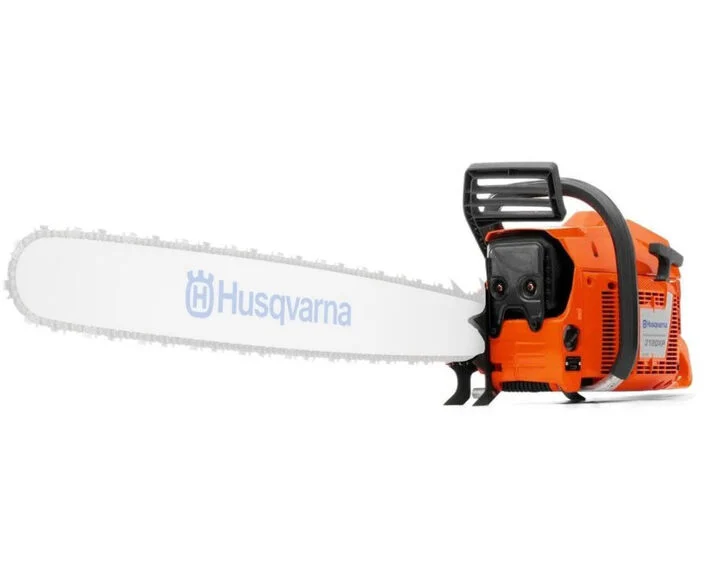
Gas-Powered Chainsaws
Gas chainsaws are commonly used for heavy cutting, storm cleanup, firewood, and professional work. Most gas chainsaws use a two-stroke engine, which is lightweight, powerful, and requires a fuel-and-oil mixture for proper lubrication.
When you pull the starter cord and press the throttle, the engine creates rotational power that eventually drives the chain around the bar.
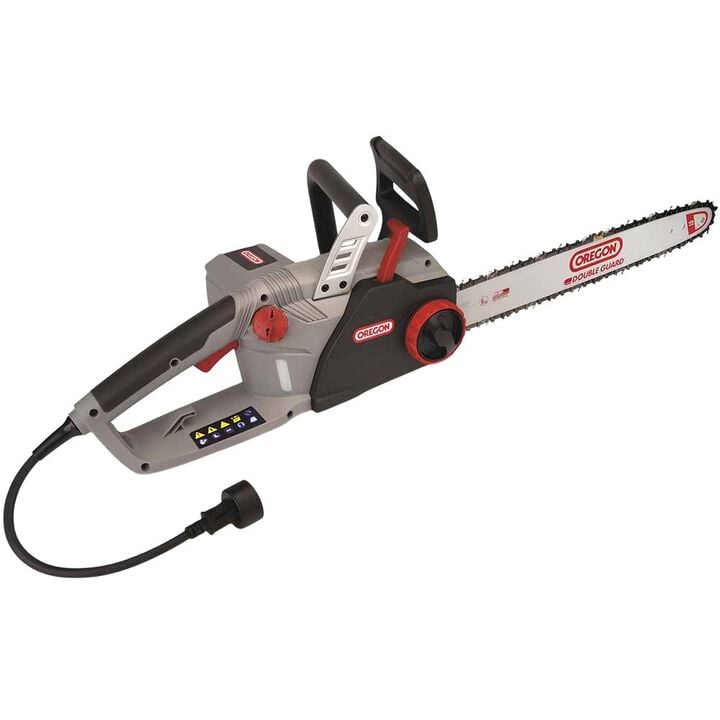
Corded Electric Chainsaws
Corded electric chainsaws use an electric motor instead of a gas engine. They plug into an outlet or extension cord, so they are often best for work close to the house, garage, or shop.
They are quieter than gas saws, require no fuel mixing, and are often easier to start and maintain.
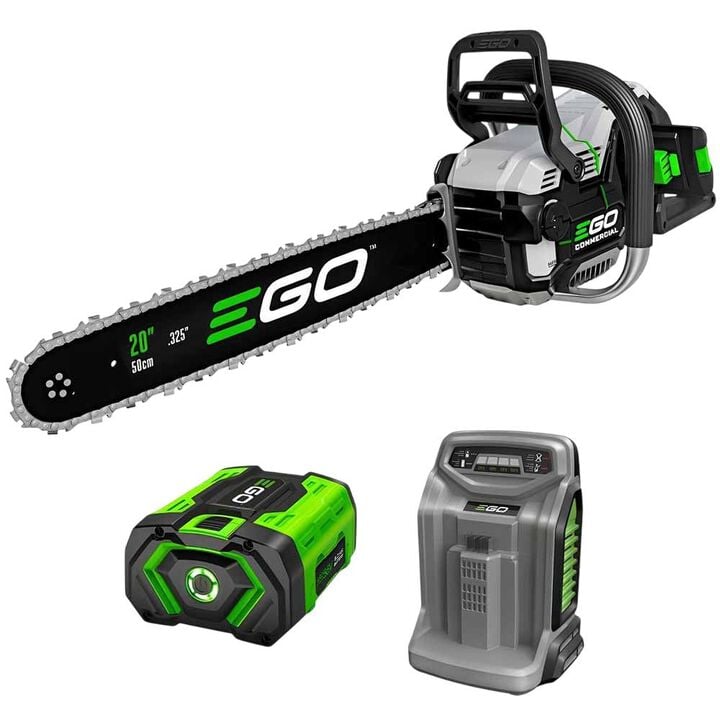
Battery-Powered Chainsaws
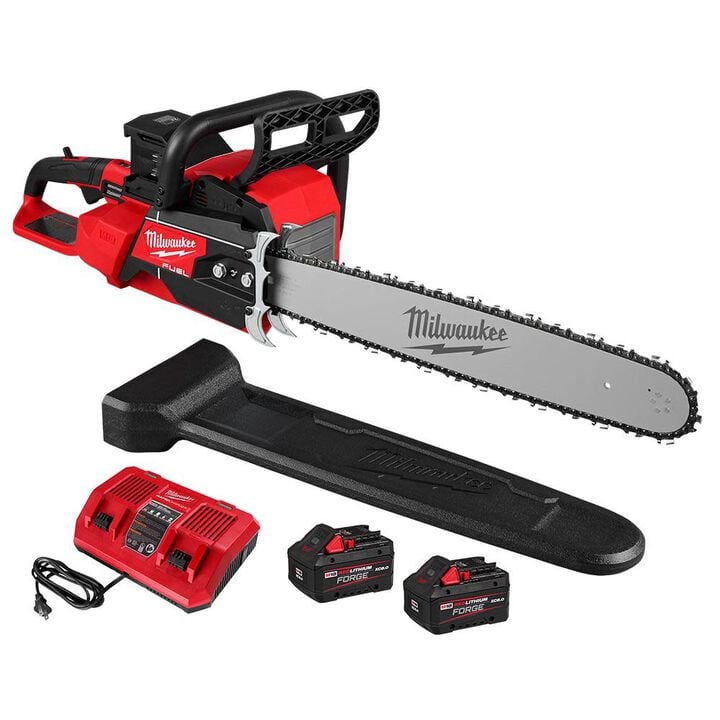
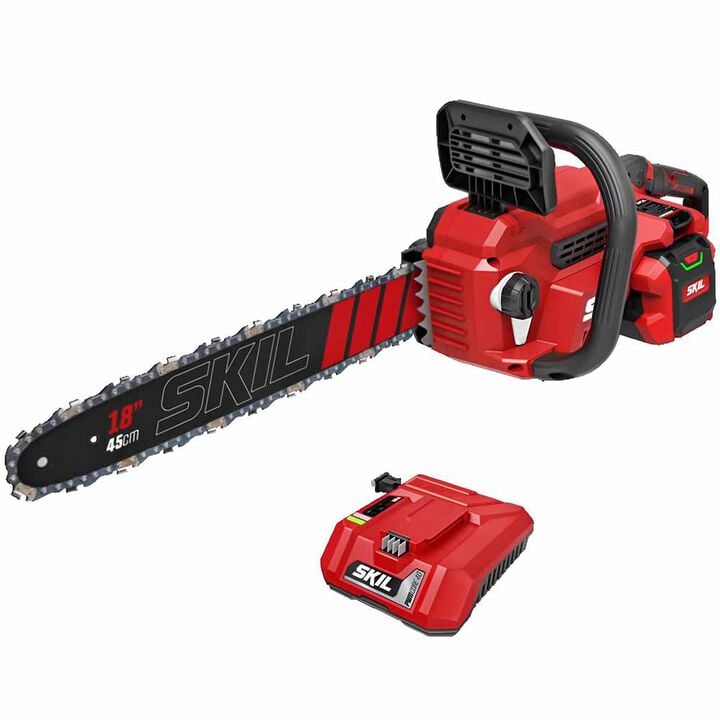
Battery-powered chainsaws use a rechargeable lithium-ion battery to power an electric motor. They are popular with homeowners and property owners because they start quickly, run quietly, and require less maintenance than gas saws.
Battery chainsaws are a great option for trimming, pruning, small tree removal, and general cleanup. Higher-performance battery models can also handle more demanding cutting jobs, depending on the saw, bar length, battery size, and chain setup.

2. The Clutch and Drive System
On a gas chainsaw, the engine can run without the chain spinning. That is because of the centrifugal clutch.
The clutch sits between the engine and the chain drive system. At idle, the engine is spinning slowly, but the clutch stays disengaged, so the chain does not move. When you press the throttle, engine speed increases. As RPM rises, the clutch engages and transfers power to the drive sprocket.
The drive sprocket then grabs the chain’s drive links and pulls the chain around the guide bar.
Battery-powered and corded electric chainsaws may use a different drive setup, but the basic idea is similar: the motor turns a drive sprocket, and the sprocket moves the chain around the bar.
3. The Guide Bar and Chain
The guide bar is the long metal bar that the chain runs around. It has a narrow groove around its edge that keeps the chain aligned as it moves.
The chain is made up of several different parts, but three are especially important:
Drive Links
Drive links are the lower parts of the chain that fit into the guide bar groove. They also engage with the drive sprocket, helping pull the chain around the bar.
Cutters
The cutters are the sharp teeth that do the actual cutting. As the chain moves, each cutter shaves away a small piece of wood.
Chainsaw cutters alternate left and right. This creates a cut, called a kerf, that is slightly wider than the guide bar. That extra width helps prevent the bar from getting pinched in the wood.
Depth Gauges
The depth gauge, sometimes called a raker, sits in front of each cutter. Its job is to control how much wood the cutter bites into.
If the depth gauge is too high, the chain may cut slowly. If it is too low, the chain can grab too aggressively, making the saw harder to control and increasing the risk of kickback.


4. How the Chain Actually Cuts Wood
A chainsaw does not cut like a knife. It cuts more like a series of tiny wood planes moving at high speed.
Here is what happens:
- The motor or engine powers the drive sprocket.
- The sprocket pulls the chain around the guide bar.
- The depth gauge controls how deep each cutter bites.
- The cutter shaves off a small chip of wood.
- The next cutter repeats the process.
- The chain carries wood chips out of the cut.
This happens rapidly as the chain moves around the bar. A sharp chain creates larger, cleaner chips. A dull chain creates fine dust, cuts slowly, and forces the saw to work harder.
5. The Automatic Oiler
Cutting wood creates heat and friction. To reduce wear, chainsaws use bar-and-chain oil.
Most chainsaws have an automatic oiler that feeds oil onto the guide bar and chain while the saw runs. This oil helps the chain move smoothly, reduces heat, and protects the bar, chain, and sprocket from premature wear.
Before using a chainsaw, always check the bar-and-chain oil level. Running a chainsaw without proper lubrication can quickly damage the bar and chain.
A simple way to check oil flow is to run the saw briefly while pointing the bar tip toward a light-colored surface, such as cardboard or wood. If the oiler is working, you should see a light line or spray pattern of oil.

6. The Chain Brake
The chain brake is one of the most important safety features on a chainsaw.
The front hand guard, located in front of the top handle, is connected to the chain brake. If the hand guard is pushed forward, the brake engages and stops the chain.
This can happen manually if the operator pushes the guard forward. It may also happen during certain kickback situations when the saw moves suddenly and the brake is activated by hand movement or inertia.
The chain brake does not make a chainsaw risk-free, but it is an important safety system designed to help stop the chain quickly when activated.
7. What Causes Kickback?
Kickback is one of the most dangerous chainsaw reactions.
It can happen when the upper tip of the guide bar contacts wood or another object. This area is often called the kickback zone. When the moving chain at the bar tip catches suddenly, the bar can kick upward and backward toward the operator.
Kickback can also happen if the chain gets pinched in the cut.
To reduce the risk of kickback:
- Avoid cutting with the upper tip of the bar.
- Keep both hands on the saw.
- Keep the chain sharp and properly tensioned.
- Use the correct chain for your saw.
- Do not overreach while cutting.
- Let the saw reach full speed before entering the cut.
- Keep the chain brake in working condition.
- Follow the safety instructions in your owner’s manual.


8. Why Chain Tension Matters
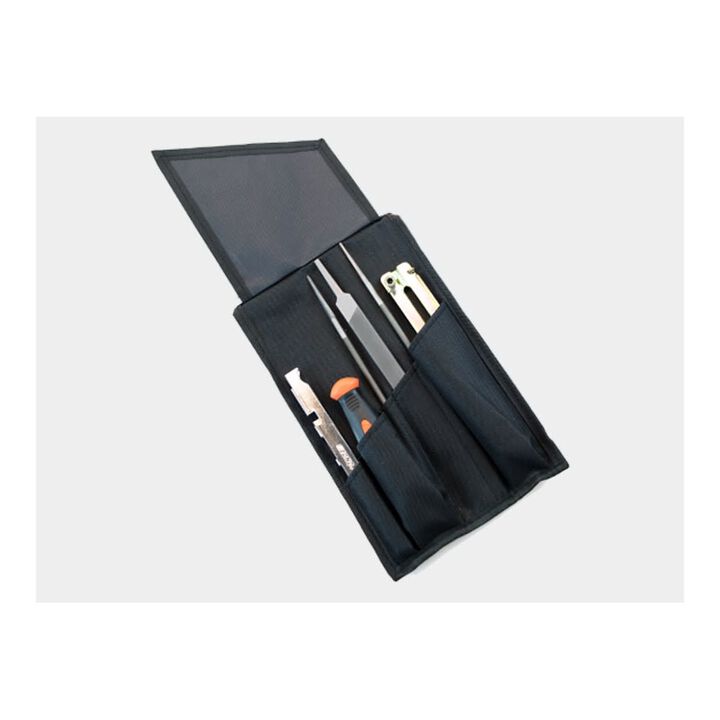
A chainsaw chain needs to be tight enough to stay on the guide bar, but loose enough to move freely.
If the chain is too loose, it can derail from the bar and cause extra wear. If it is too tight, it can overheat, stretch, and put extra strain on the bar, sprocket, and motor or engine.
A properly tensioned chain should sit snugly against the bottom of the guide bar while still being able to move around the bar by hand when the saw is off and cool.
Always wear gloves when checking chain tension.
9. Why This Matters When Choosing a Chainsaw
Knowing how a chainsaw works can help you choose the right model for your needs.
Gas chainsaws are often a good fit for heavy cutting, remote work, and long sessions where maximum power and quick refueling matter.
Battery-powered chainsaws are popular for homeowners who want easier starting, quieter operation, lower maintenance, and compatibility with other cordless outdoor power tools.
Corded electric chainsaws can be useful for lighter cutting near a power source.
When shopping for a chainsaw, consider:
- Bar length
- Power source
- Weight
- Battery platform
- Chain speed
- Chain brake
- Oiling system
- Intended use
- Maintenance requirements
The best chainsaw is not always the biggest or most powerful one. It is the saw that fits the work you actually need to do.
Summary: The Full Chain Reaction
A chainsaw works through a simple chain reaction:
Power source → motor or engine turns → clutch or drive system engages → sprocket spins → chain moves around the guide bar → cutters shave through wood
The power source creates motion. The sprocket drives the chain. The guide bar keeps the chain aligned. The cutters remove wood. The oiler reduces friction. The chain brake helps stop the chain when activated.
Once you understand how each part works together, it becomes easier to use a chainsaw safely, maintain it properly, and choose the right saw for the job.



0 Comments