

You're staring down a lag bolt that has been rusted in place since the Reagan administration, and your bargain-bin drill just gave up the ghost with a sad little whine. We've all been there. When you're standing in the power tool aisle or scrolling, trying to figure out what gear to buy, you're going to see a ton of numbers thrown around. The biggest difference between the toys and the professional-grade equipment is torque. But what is torque, really? It is not just some fancy engineering term printed on the box to make it look cool. It is the absolute lifeblood of how your drills, drivers, and wrenches perform on the job site.
What Is Torque In Power Tools?
If we cut right through the technical jargon, torque is rotational force. It is the raw twisting muscle your tool brings to the fight. Measured in either inch-pounds or foot-pounds, this number dictates whether you are going to sink a massive fastener into dense hardwood like it is butter or if your tool is going to stall out and leave you looking like an amateur. High torque means you have the brute strength to power through stubborn bolts and thick materials. Lower torque gives you the finesse needed for precision work without completely blowing out a cabinet hinge or stripping a screw head.
How Torque Changes The Game For Your Gear
When you're looking at cordless drills, it is all about finding the perfect balance between power and control. Most drills feature an adjustable clutch that lets you dictate the force. You dial it down for delicate materials like drywall or softwood, and you crank it up when you are punching through masonry or hardwood.
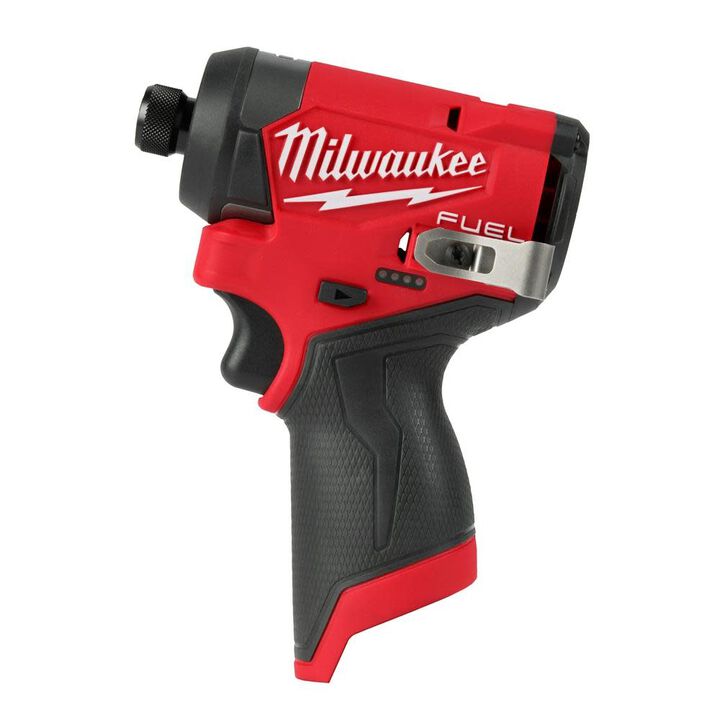
Impact drivers operate on a completely different level. They deliver massive bursts of rotational force, making them the absolute kings of driving long screws and building decks. Because they bring so much muscle, they excel in heavy construction, but you must use proper technique, so you do not snap the fastener clean off. Finally, when you move over to heavy artillery like wrenches, torque is literally a matter of safety. Whether you are wrenching on an American muscle car or tightening structural steel, hitting the exact manufacturer's torque specifications ensures your bolts stay locked down without snapping under the pressure.
The Difference Between Torque And Speed
Do not make the rookie mistake of confusing RPMs with torque. Speed is exactly what it sounds like—how fast the bit is spinning. Torque is the muscle pushing behind that spin. You need high speed to drill clean holes in softer materials, but when things get tough, you need high rotational force to keep the bit moving forward. Managing that power translates to cleaner work, less arm fatigue because the tool is doing the heavy lifting, and equipment that lasts way past its warranty.
Top High-Torque Gear To Upgrade Your Arsenal
Time to put that knowledge to work and upgrade your loadout. We stock the absolute best gear on the market for the pros who need serious power. Here is what you should throw in your cart:

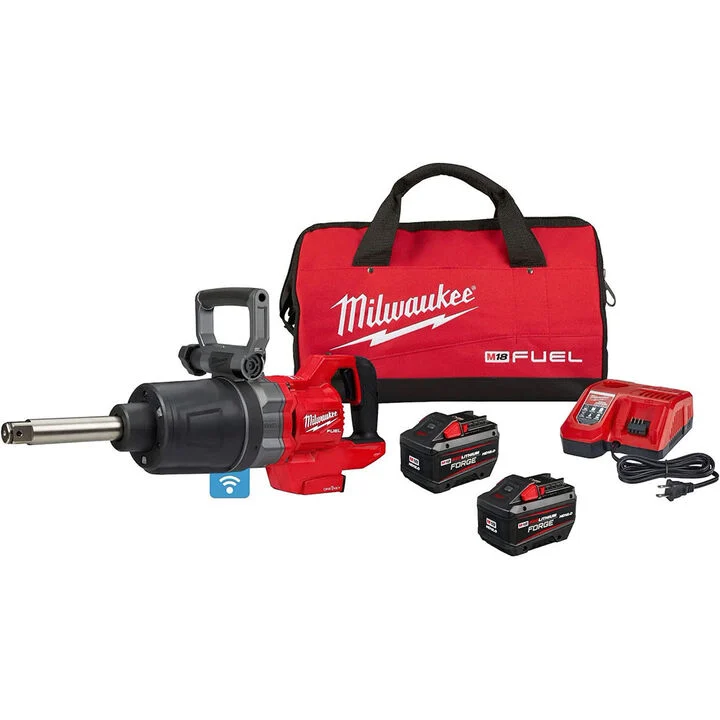
The M18 FUEL 1" D-Handle Extended Anvil High Torque Impact Wrench w/ ONE-KEY Kit is the world’s first cordless 1” D-Handle High Torque Impact Wrench. The POWERSTATE™ Brushless Motor delivers up to 2,000 ft-lbs of nut-busting torque and 1,900 ft-lbs of fastening torque, making this the world's most powerful cordless impact wrench, able to complete the most demanding applications.
If you want to stop fighting your fasteners and start working like a pro, head over to Acme Tools and grab the equipment that gets the job done right.
Leave a comment
Please follow our Community Guidelines and be kind!

🤙🏼👍🏼


1 Comments